The days of pure research are gone. Researchers today must do the heavy lifting of bringing in the grant money to fund their research. This means that industry ties are part and parcel of the package for success in this arena. Most of these ties are with pharmaceuticals that see researchers as a good vehicle for subtle marketing campaigns—campaigns that exploit the credibility of the researcher to push their products.
Research is about the pursuit of scientific truths, and researchers bristle at the notion that mere money can turn their heads. But if the use of researchers as stealth marketers is so transparent to the drug industry, why isn’t it transparent to those involved in academic research?
When guidelines panels are stacked with researchers who have industry ties, guidelines can become voice boxes for products. Recent examples of this abound unfortunately. A case in point—a guidelines panel published cholesterol guidelines that lowered the threshold for diagnosing high cholesterol and, with the stroke of a pen, dramatically increased the sales of cholesterol medication. Critics cried foul at the conflicts of interest on the panel that penned the guidelines. The guidelines caused a rift in the society–with a past officer publicly denouncing the guidelines as an example of the “monetarization” of medicine.
The Lyme disease guidelines are another good example. On the one hand, academic researchers with interests in Lyme vaccines, diagnostic tests, and other related patent interests sat on the panel. On the other hand, some on this panel had been sued by patients for their role in the development of the Lyme vaccine that left them disabled. Is it any wonder that the guidelines are so adverse to the interests of patients?
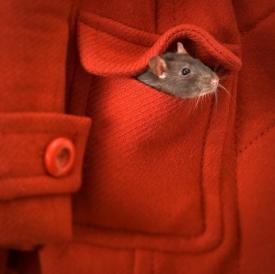
It IS time to get back to basics. If guidelines are about patient care—who is representing patient interests. The assumption that researchers are carrying this water is no longer true. So it is time to get back to reality. The only way to insure that patient interests are central to guidelines development is by having patients and those who are experienced in treating them on the panel. And, while patients may not have the medical knowledge that researchers do, many patients with chronic illnesses know their illness well. More, importantly, theyknow how to smell a rat.

Do You Have Lyme Disease?
Use our symptom checklist to better understand possible Lyme disease signs and next steps.
Newsletter Sign-up
Helpful Resources
Support LymeDisease.org
Your support helps us advocate for patients and fund critical Lyme disease research.