
Ehrlichiosis and Anaplasmosis
Recognizing Ehrlichiosis and Anaplasmosis
These two diseases share many overlapping symptoms, but they are caused by different bacteria, spread by different types of ticks, and can affect the body in distinct ways.

Ehrlichiosis Mimics Other Illnesses
Ehrlichiosis is a tick‐borne infection caused by Ehrlichia bacteria, including E. chaffeensis, E. ewingii, and E. muris eauclairensis. These bacteria infect white blood cells and are spread primarily by the lone star tick.
The lone star tick was once found mostly in the southeastern and south‐central United States, but its range has been steadily expanding northward and westward in recent decades. As this tick becomes more widespread, ehrlichiosis is being identified in more regions than ever before.
Symptoms usually begin one to two weeks after a tick bite and can range from mild to severe if not treated promptly. Because the early signs—such as fever, headache, fatigue, and muscle aches—look very similar to the flu, viral infections, and other tick‐borne diseases, ehrlichiosis is often overlooked in its early stages.
Ehrlichiosis Symptoms
The most common symptoms include fever, headache, and malaise.
Early Symptoms (Days 1–5):
Fever, chills, headache, muscle aches
Gastrointestinal symptoms (nausea, vomiting, diarrhea, loss of appetite)
Confusion
Rash
The rash is more common in children (up to 60%) compared to adults (<30%). It usually appears about 5 days after symptom onset and may be present on the palms and soles of feet. The rash can be splotchy red patches or pinpoint dots.
Later or Severe Symptoms (if treatment is delayed):
Neurological damage (for example, meningoencephalitis)
Respiratory failure
Uncontrolled bleeding
Organ failure, which may lead to death
Ehrlichiosis: Diagnosis and Treatment
Ehrlichiosis is caused by Ehrlichia bacteria, which are transmitted through tick bites and infect white blood cells. While most cases can be treated successfully, early diagnosis is critical because the infection can progress quickly and lead to serious complications. Nearly 60% of people diagnosed with ehrlichiosis require hospitalization, and an estimated 1% of cases are fatal.
Because the symptoms often mimic other common illnesses, diagnosing ehrlichiosis can be challenging. Healthcare providers typically rely on a combination of medical history, recent tick exposure, clinical symptoms
and laboratory testing.
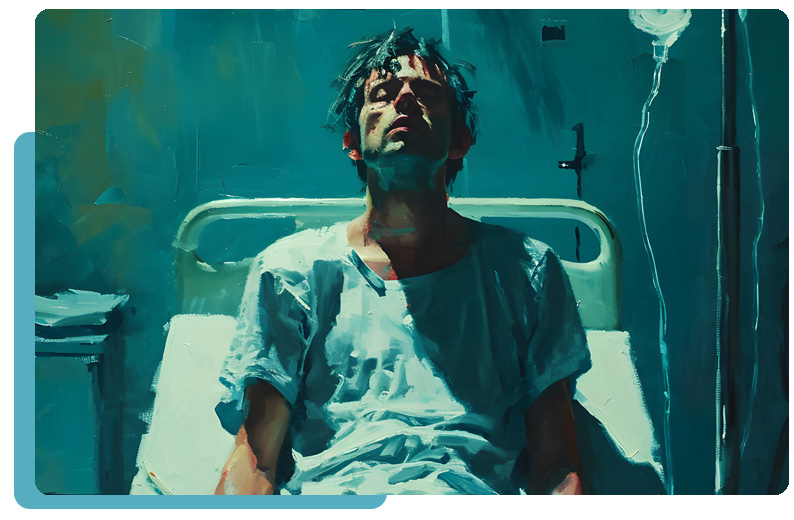
Ehrlichiosis is treated with antibiotics. Since the illness can become serious if left untreated, doctors usually begin treatment as soon as ehrlichiosis is suspected, without waiting for test results.
How Ehrlichiosis Is Treated
Ehrlichiosis is treated with antibiotics. Since the illness can become serious if left untreated, doctors usually begin treatment as soon as ehrlichiosis is suspected, without waiting for test results.
Ehrlichiosis vs. Anaplasmosis: Understanding the Differences
Ehrlichiosis and anaplasmosis are both infections transmitted by tick bites that can cause similar symptoms, such as fever, headache, and fatigue.
Understanding the similarities and differences between these infections can help you recognize symptoms early and seek prompt treatment.
|
Feature |
Ehrlichiosis |
Anaplasmosis |
|---|---|---|
|
Bacteria |
Ehrlichia species |
Anaplasma phagocytophilum |
|
Tick vector |
Lone star tick |
Blacklegged (deer) tick |
|
Cells infected |
Monocytes (type of white blood cell) |
Granulocytes (type of white blood cell) |
|
US distribution |
Southeast and south-central United States |
Northeast, upper Midwest, some western states |
|
Rash |
Sometimes present |
Rare |
|
Severity |
Mild to severe |
Mild to moderate; severe possible |
Note: The information presented on this page has been reviewed and approved by a member of our Medical Leadership Board.