
Personal Protection
Personal Protection From Ticks
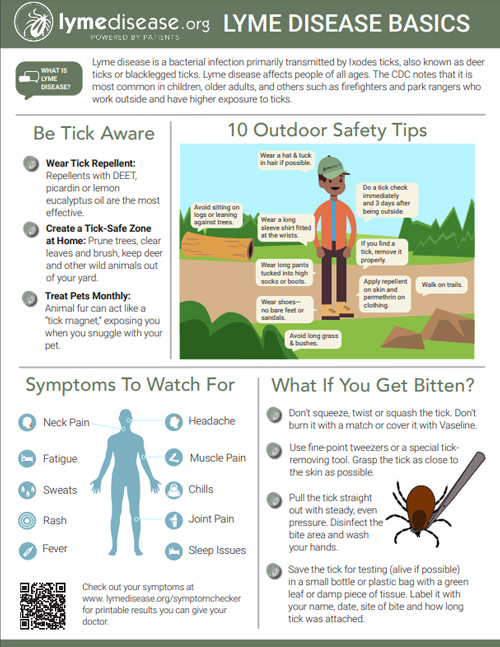
We used to say, “Your best defense against tick-borne illness is to avoid contact with ticks in the first place.” But that advice is becoming harder to follow. Ticks are now showing up in unexpected places — including beaches, wooden park benches, and states not previously considered endemic. Just because an area isn’t marked on CDC maps doesn’t mean it’s free of ticks.



Where Ticks Hide
Ticks typically stay close to the ground — in leaf litter, grasses, bushes, and fallen logs. High-risk activities include:
They’ve even been found in city parks, beach grass, and on rocks — including one study near Folsom Lake, California, where a single rock harbored 34 nymphal ticks. When hiking, avoid sitting on rocks and stick to the center of cleared trails rather than venturing into grassy fields.
Dress Defensively When Outdoors
To reduce your risk of tick bites, follow these simple clothing tips:
For added protection, consider using permethrin, a type of insect repellent designed specifically for clothing and gear. It doesn’t go on your skin — instead, it’s applied to fabric and shoes, and helps repel ticks, mosquitoes, and other biting insects.
You have two options:
Permethrin-treated clothing is odorless, safe when used as directed, and a powerful tool in preventing tick-borne illness.
Insect Shield also offers a permethrin treatment service — simply send in your clothing and they’ll treat it for you. This method lasts 10 times longer than do-it-yourself sprays.

Use coupon code LYMEDISEASE.ORG on InsectShield.com to receive 15% off your first purchase.
When you make a purchase from Insect Shield using the coupon code or by clicking any of the links above, 10% of the proceeds will go directly to LymeDisease.org.

Spraying footwear with permethrin will prevent ticks from crawling up your shoes. (In one study, those with treated shoes had 74% fewer tick bites than those with untreated shoes.)
Use Repellent on Exposed Skin
Studies show that repellents containing DEET, picaridin, or lemon eucalyptus oil are the most effective. All are widely available and safe when used as directed.
Check for Ticks
While outdoors, periodically inspect your clothing and skin. Brush off unattached ticks and remove any that are embedded.
One helpful product is the TiCK MiTT — a non-toxic mitt designed to catch loose ticks from clothing, hair, and pets. Simply run it over any exposed areas and the specialized fibers will trap ticks on contact so they can be safely discarded.
Hot Dryer
Running your clothes in a hot dryer for 10 minutes before you wash them will kill any ticks that may be there.
Shower Immediately and Check for Ticks
After returning home, shower right away to wash off any unattached ticks and then thoroughly inspect your body.
Start with your thighs! According to a survey by Upstate Medical University’s Citizen Science Tick Testing Program, the thigh was the most common site where ticks were found on humans. Out of 722 deer ticks submitted for their study, 15.8% were found on the thigh, followed by the waist (7.6%), stomach (7.6%), and groin (6.6%).
Parents should check their children carefully, especially after outdoor play.

Protect Your Pets
Ticks don’t just pose a risk to your pets — they can also hitch a ride into your home. After outdoor activity, it’s important to examine your animals for ticks and use veterinarian-recommended repellents or treatments.
Note: The information presented on this page has been reviewed and approved by a member of our Medical Leadership Board.