
Lyme Co-infections
Lesser-known pathogens
Additional diseases carried by ticks may accompany Lyme or appear independently.
Other Tick‐Borne Infections
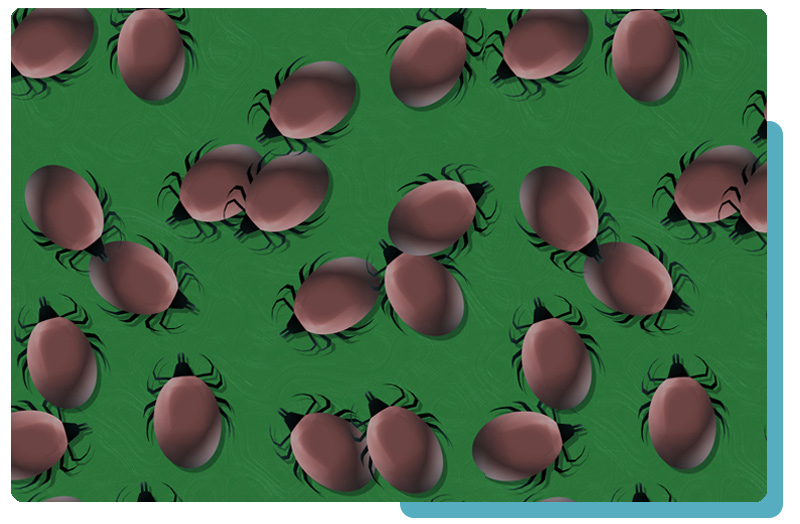
When you’ve been bitten by a tick, you can be exposed to far more than just Lyme disease. Ticks can carry Borrelia burgdorferi, the bacterium that causes Lyme, but they can also transmit a wide range of other infectious agents, including bacteria, viruses, and parasites. Co‐infections—where a single tick transmits two or more pathogens—are more common than many people realize.
The most frequently recognized Lyme co‐infections include babesiosis, bartonellosis, ehrlichiosis, Rocky Mountain spotted fever, and anaplasmosis. But these are only part of the picture. The risk of encountering additional infections depends heavily on where you are when the tick bite occurs. Different tick species thrive in different environments, and each species can carry its own set of disease‐causing organisms.
Below is an overview of other tick‐borne infections that may occur alongside Lyme disease or appear independently.
Borrelia miyamotoi
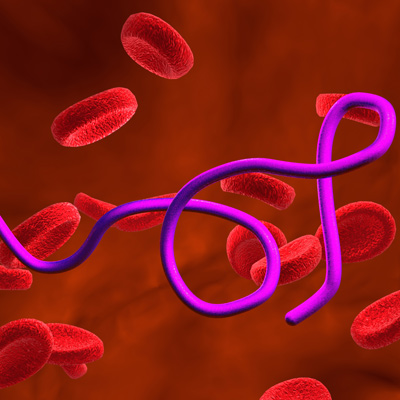
Borrelia miyamotoi is a bacterium that can cause tick-borne relapsing fever. It’s transmitted by the blacklegged (or deer) tick and typically presents with fever, chills, headache, fatigue, and muscle aches. Unlike other Lyme co infections, the fever often comes and goes in cycles, which can make it harder to recognize. And, B. miyamotoi can be transmitted in as little as 12 – 24 hours after the tick attaches.

Bourbon Virus
Bourbon virus is a rare tick-borne viral infection spread primarily by the lone star tick. It’s found mainly in the Midwest and southern U.S. The virus can cause fever, fatigue, headache, body aches, nausea, and sometimes a rash. Although uncommon, it can lead to serious complications and fatalities. There is no specific treatment, and testing is only available through the CDC.

Colorado Tick Fever
Colorado Tick Fever is a viral infection transmitted by Rocky Mountain wood ticks, found primarily in the western United States and Canada. It can cause fever, headache, muscle aches, fatigue, and sometimes a rash. There is no specific treatment, so care focuses on relieving symptoms and preventing further tick bites.

Heartland Virus
Heartland virus is a rare infection spread by the bite of an infected lone star tick. It can cause fever, fatigue, headache, muscle aches, nausea, and low blood cell counts. Most people experience mild symptoms, but serious illness can happen, especially in those with weakened immune systems. There is no specific treatment, so care focuses on relieving symptoms. Testing is only available through the CDC.

Mycoplasma
Mycoplasma are tiny bacteria that lack a cell wall, making them harder to detect and resistant to certain antibiotics. It is a common Lyme co-infection. These bacteria invade human cells and disrupt the immune system, causing fatigue, musculoskeletal symptoms, and cognitive problems. Rarely, you can develop a rash, ranging from mild redness to painful blisters.

Q Fever
Q fever is a bacterial infection caused by Coxiella burnetii. It can be transmitted when someone breathes in dust or tiny droplets carrying the bacteria from infected animals such as sheep, goats, or cattle. In rare cases, it can also be spread by ticks. The brown dog tick, Rocky Mountain wood tick, lone star tick, and Pacific Coast tick can carry and transmit the bacteria.
The symptoms of Q fever are similar to those seen with other Lyme co-infections. It often begins with a sudden high fever, and in some people, it may also cause pneumonia or affect liver function.

Powassan Virus
Powassan virus is a rare but serious tick‐borne infection carried by blacklegged ticks in the U.S. and groundhog ticks in parts of Canada. Some people have no symptoms, while others develop fever, headache, vomiting, weakness, or confusion. Severe cases can lead to brain inflammation (encephalitis).
Unlike many other tick‐borne diseases, Powassan virus can be transmitted in as little as 15 minutes after a tick bite. There is no specific treatment, so care focuses on managing symptoms, and hospitalization may be needed for severe illness.
STARI (Southern Tick-Associated Rash Illness)
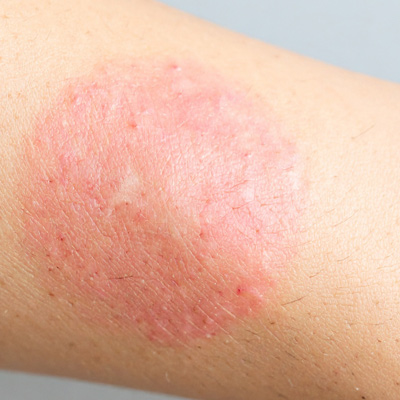
STARI is a tick-borne illness primarily found in the southeastern and south-central United States. It’s spread through the bite of the lone star tick. The exact cause of STARI is still not fully understood, but it is thought to be caused by a bacterium related to Lyme disease. Unlike Lyme disease, STARI is generally considered milder, and symptoms typically improve quickly with antibiotics or sometimes even without treatment.
Tick Paralysis
Tick paralysis is a rare but serious condition caused not by an infection, but by a toxin released in the saliva of certain ticks while they are attached and feeding. In the United States, the species known to cause tick paralysis are the American dog tick and the Rocky Mountain wood tick. The toxin interferes with normal nerve function, leading to progressive, ascending paralysis that typically begins in the legs.
The good news is that paralysis usually reverses rapidly once the tick is removed, often within hours to a day. Early recognition and prompt tick removal are critical.

Tick-borne Relapsing Fever
Tick-borne Relapsing Fever is an infection caused primarily by the bacteria Borrelia hermsii. It is spread by soft ticks (Ornithodoros hermsi) found in areas of the western U.S. Unlike blacklegged ticks that stay attached for days, soft ticks bite quickly — often at night — so many people never realize they’ve been bitten. The illness is marked by cycles of high fever that come and go, along with chills, headache, muscle aches, and fatigue.

Tularemia
Tularemia (also known as rabbit fever) is a rare but potentially serious infection caused by the bacterium Francisella tularensis. It can be transmitted through the bite of infected dog ticks, lone star ticks, and wood ticks, as well as through contact with infected animals or by inhaling contaminated dust.
Symptoms vary depending on how the bacteria enter the body, but may include skin ulcers, swollen and painful lymph nodes, inflamed eyes, sore throat, mouth sores, pneumonia, diarrhea, and vomiting.
Note: The information presented on this page has been reviewed and approved by a member of our Medical Leadership Board.