
Lyme Basics
About Lyme Disease
Lyme disease is a bacterial infection primarily transmitted by Ixodes ticks, also known as deer ticks or blacklegged ticks. These tiny arachnids are typically found in wooded and grassy areas. Although people may think of Lyme as an East Coast disease, it is found throughout the United States, as well as in more than sixty other countries.
The Centers for Disease Control and Prevention estimate that more than 476,000 people are diagnosed with Lyme disease in the US every year. However, because diagnosing Lyme can be difficult, many people who have Lyme may be misdiagnosed with other conditions. Many experts believe the true number of cases is much higher.
Lyme disease affects people of all ages. The CDC notes that it is most common in children and older adults. Firefighters, park rangers, utility workers, golfers and gardeners who spend time in outdoor activities have a higher exposure to ticks.
LymeDisease.org has developed a Lyme disease symptom checklist to help you document your exposure to Lyme disease and common symptoms for your healthcare provider. You will receive a report that you can print out and take with you to your next doctor’s appointment.
What is Lyme disease?
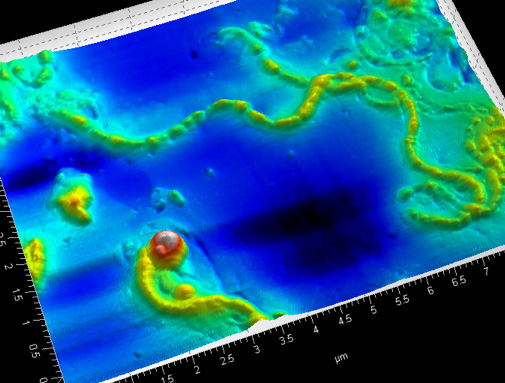
Lyme disease is caused by a spirochete—a corkscrew-shaped bacterium called Borrelia burgdorferi. Lyme is called “The Great Imitator,” because its symptoms mimic many other diseases. It is in the same genus as syphilis which has also been called “the Great Imitator.” It can affect any organ of the body, including the brain and nervous system, muscles and joints, and the heart.
Patients with Lyme disease are frequently misdiagnosed with chronic fatigue syndrome, fibromyalgia, multiple sclerosis, ALS, and various psychiatric illnesses, including depression. Misdiagnosis with these other diseases may delay the correct diagnosis and treatment as the underlying infection progresses unchecked.
How do people get Lyme disease?
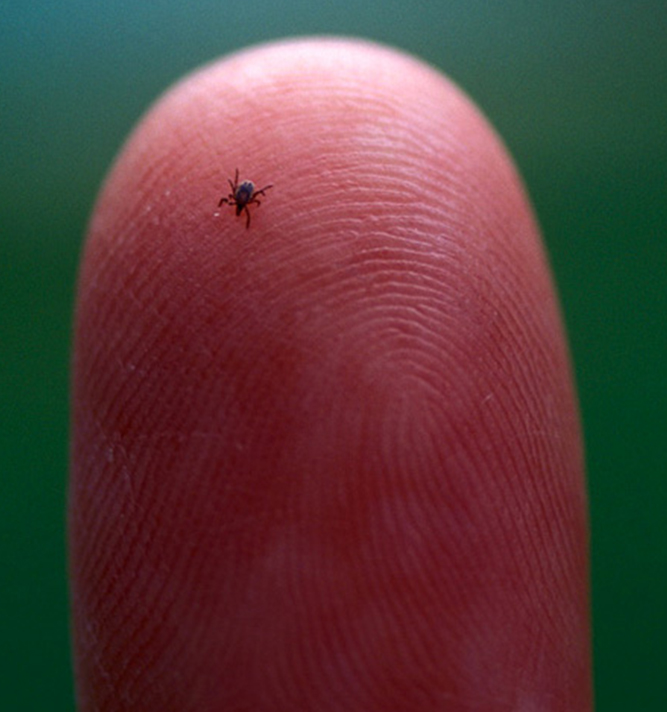
Most people get Lyme from the bite of the nymphal, or immature, form of the tick. Nymphs are about the size of a poppy seed. Because they are so tiny and their bites are painless, many people do not even realize they have been bitten. Nymphs are most active during the summer and early fall. The “summer flu” may actually be early/acute Lyme disease.
Once a tick has attached, if undisturbed it may feed for several days. The longer it stays attached, the more likely it will transmit the Lyme and other pathogens into your bloodstream. Refer to tick section.
If pregnant women are infected, they can pass Lyme or other tick-borne diseases to their unborn children. While not common, stillbirths have occurred. Some doctors suspect other human‐to‐human transmission routes because partners sometimes have Lyme as well, though often with milder symptoms. However, no peer‐reviewed studies support sexual transmission.
Where is Lyme disease found?
Lyme disease has been found on every continent except Antarctica. It is found all across the United States, with a particularly high incidence in the East, Midwest, and West Coast. Rates have increased significantly over time. These increases may be because of disease spread, but it is also likely that it reflects growing public awareness of the disease.
Not all ticks are infected. Within endemic areas, there is considerable variation in tick infection rates depending on the type of habitat, presence of wildlife and other factors. Tick infection rates can vary from 0% to more than 70% in the same area. This uncertainty about how many ticks are infected makes it hard to predict the risk of Lyme disease in each region.
There are multiple Borrelia species found in the United States. Borrelia burgdorferi is the primary cause of Lyme disease, along with the lesser known Borrelia mayonii. Lyme‑like symptoms can also be caused by other species, including relapsing fever Borrelia such as Borrelia miyamotoi and Borrelia hermsii.
More than 300 Borrelia strains have been identified worldwide, with over 100 strains found in the United States. Current testing can detect only a small subset of these species and strains.
The risk of getting Lyme disease is often reflected in risk maps. Risk maps for Lyme disease vary widely in accuracy. Maps based on reported human cases often underestimate risk, since CDC surveillance captures only about 10% of actual cases. Maps showing infected ticks can also be unreliable because many states and counties conduct little or no tick testing. Canine Lyme maps may offer the most accurate picture, since dogs are routinely screened nationwide and share the same environments as humans.
Quest Diagnostics analyzed more than six million Lyme disease lab tests collected over seven years and released its findings in 2018. The report shows that Lyme disease has been detected in all 50 states and the District of Columbia, and that cases continue to rise nationwide. It represents the first national analysis of Lyme disease based on laboratory testing data.
Note: The information presented on this page has been reviewed and approved by a member of our Medical Leadership Board.