
Other Tick-Borne Infections
Hidden Illnesses That Complicate Recovery
Many people with Lyme disease also carry hidden Lyme co-infections that can intensify symptoms and delay recovery.
About Lyme Disease Co-Infections
What Are Lyme Disease Co-Infections?
When you’ve been bitten by a tick, you can be exposed to far more than just Lyme disease. Lyme co-infections—when a single tick bite passes along two or more pathogens—are common. In addition to Lyme, ticks can carry a wide range of bacteria, viruses, and parasites that can complicate recovery.
Key Tick-Borne Co-Infections Found With Lyme Disease
The most frequently recognized Lyme co-infections include babesiosis, bartonellosis, ehrlichiosis, and anaplasmosis. But these represent only part of the picture. The risk of additional infections depends heavily on tick species and geographic region. Different ticks thrive in different environments, and each species can carry its own set of disease-causing organisms.
How Often Lyme Disease Co-Infections Occur
Co-infections are more widespread than many people realize. In the northeastern U.S., studies show that up to 45% of blacklegged ticks carry more than one pathogen.
Among people diagnosed with Lyme disease, up to one-third may also have at least one co-infection. One survey from highly endemic regions found that nearly 1 in 5 Lyme patients also tested positive for babesiosis.
Other co-infections occur less frequently but still matter. Anaplasmosis and ehrlichiosis affect up to 10% of Lyme patients, and cases of Borrelia miyamotoi—another tick-borne infection—are steadily increasing.
How Co-Infections Make Lyme Disease Symptoms Worse
Co-infections often lead to more severe Lyme disease symptoms and longer recovery times. They can also complicate diagnosis, since each infection may require different laboratory tests. Symptoms vary widely, and each pathogen may need its own treatment approach.
Other Tick-Borne Diseases You Should Know About
Below is an overview of tick-borne diseases that may occur alongside Lyme disease or appear independently. As research advances, scientists continue to identify new pathogens carried by ticks—expanding our understanding of the risks associated with a single tick bite.
Common Co-Infections & Conditions
Most Common Co-Infections and Conditions

Anaplasmosis
A bacterial infection that targets white blood cells and can cause fever, severe headache, and rapid-onset illness.

Alpha-gal syndrome
An immune reaction triggered by tick bites that can cause delayed allergy to red meat and other mammal-derived products, often leading to hives, stomach distress, or even severe allergic responses hours after eating.

Babesiosis
A malaria-like parasite that infects red blood cells and can lead to sweats, chills, anemia, and dangerous complications.

Bartonella
A stealth bacterial infection linked to neurological symptoms, vascular inflammation, and a wide range of chronic issues.

Ehrlichiosis
A bacterial infection that targets white blood cells and can cause fever, low blood counts, and rapidly progressing illness.

Mast cell activation syndrome
A condition where certain immune cells become overactive and trigger symptoms like flushing, hives, stomach upset, and sensitivity to foods or environmental triggers.
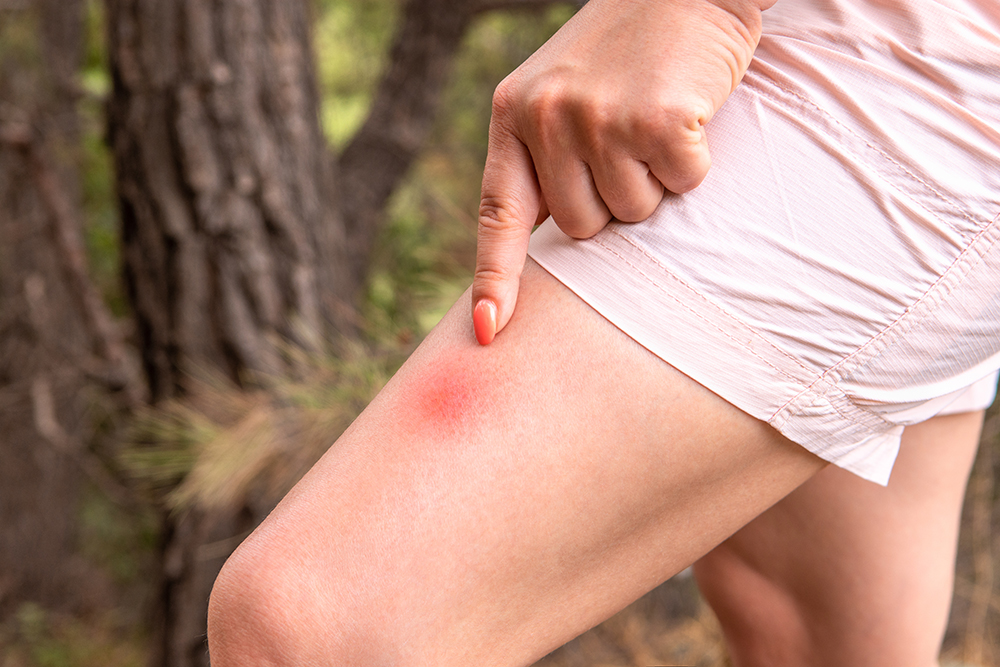
Powassan virus
A fast-moving tick-borne virus that can infect the brain and requires urgent medical attention.

Rickettsia
A group of tick-borne bacteria that can cause fever, headache, rash, and rapidly worsening illness.

Rocky Mountain Spotted Fever
A serious rickettsial infection that can escalate quickly and requires immediate treatment to prevent severe complications.
Beyond the Most Common Infections
More Tick-Borne Infections
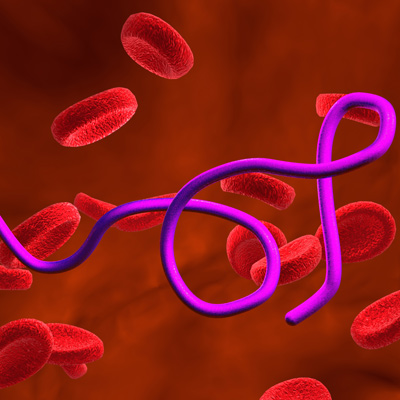
Borrelia miyamotoi
A relapsing-fever infection spread by blacklegged ticks, causing cycles of fever, chills, headache, and fatigue.

Bourbon virus
A rare viral illness carried mainly by lone star ticks, causing fever, fatigue, headache, and body aches.

Colorado tick fever
A viral infection spread by Rocky Mountain wood ticks, leading to fever, headache, muscle aches, and fatigue.

Heartland virus
A lone star tick virus that can cause fever, fatigue, muscle aches, nausea, and low blood counts.

Mycoplasma
A common Lyme co-infection carried by blacklegged ticks that can cause fatigue, musculoskeletal pain, and cognitive symptoms.

Q fever
A bacterial infection usually linked to livestock, but occasionally spread by dog ticks, lone star ticks, Rocky Mountain wood ticks, and Pacific Coast ticks.
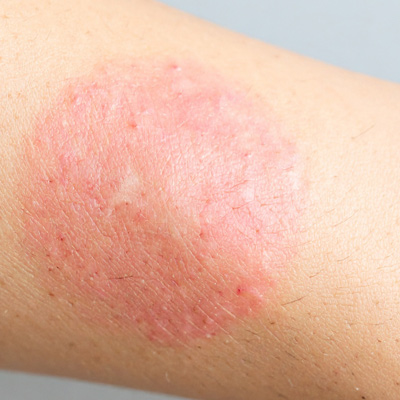
Southern Tick-Associated Rash Illness (STARI)
A Lyme-like illness spread by lone star ticks, generally milder and often improving quickly with treatment.
Tick paralysis
A rare reaction to toxins from American dog ticks or Rocky Mountain wood ticks that can cause temporary paralysis until the tick is removed.

Tick-borne relapsing fever
A soft-tick infection (from Ornithodoros ticks) marked by cycles of high fever, chills, headache, and fatigue.

Tularemia
A serious bacterial infection spread by dog ticks, lone star ticks, and wood ticks, causing skin ulcers, swollen lymph nodes, and sometimes pneumonia.
How Common Are Co-infections?
In the northeastern U.S., studies have found that up to 45% of blacklegged ticks carry more than one pathogen ─ meaning that a single tick bite can result in co-infections. And, up to a third of individuals diagnosed with Lyme disease may also have at least one co-infection.
A survey conducted in endemic regions reported that nearly 1 in 5 people with Lyme disease also tested positive for the co-infection babesiosis.
While anaplasmosis and ehrlichiosis are less common, they still impact up to 10% of Lyme patients. And recent data indicates that the number of cases of Borrelia miyamotoi, another coinfection, is on the rise.

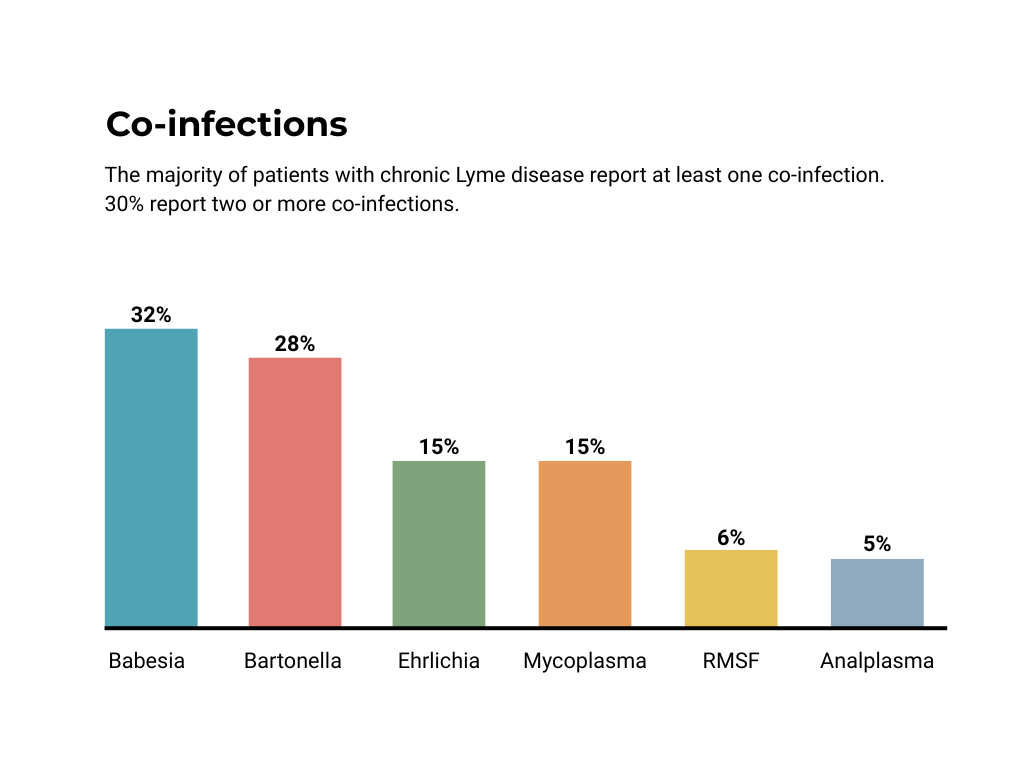
Top Co-infections in Lyme Disease Patients
According to a survey by Lymedisease.org, out of 3,000 patients with chronic Lyme disease, over 50% had co-infections, with 30% reporting 2 or more. The most common Lyme disease co-infections include: Babesiosis (32%), Bartonella (28%), Ehrlichia (15%), Mycoplasma (15%), Rocky Mountain spotted fever (6%), and Anaplasma (5%).
However, in a Canadian study by Sperling and Associates, the most common co-infections found in patients with Lyme disease were Bartonella (36%) and Babesia (19%), followed by Anaplasma (13%). The specific co-infections people develop can vary depending on geography.
Note: While both ticks and humans are known to carry Bartonella, scientists are still studying the exact way this infection is transmitted.
Why Lyme Disease Co-infections Matter
01

More Severe Illness:
Co-infections often lead to more intense symptoms and longer recovery times.
02

Complicated Diagnosis:
Lab tests may not detect all infections at once, and symptoms often overlap.
03

Treatment Differences:
While Lyme disease is treated with antibiotics like doxycycline, Babesia requires anti-parasitic medications. Missing a co-infection can result in incomplete treatment.
Note: The information presented on this page has been reviewed and approved by a member of our Medical Leadership Board.