
Mast cell activation syndrome
When the body’s alarm system goes into overdrive
This condition can affect many organs and systems throughout the body, creating symptoms that resemble a wide range of other illnesses.
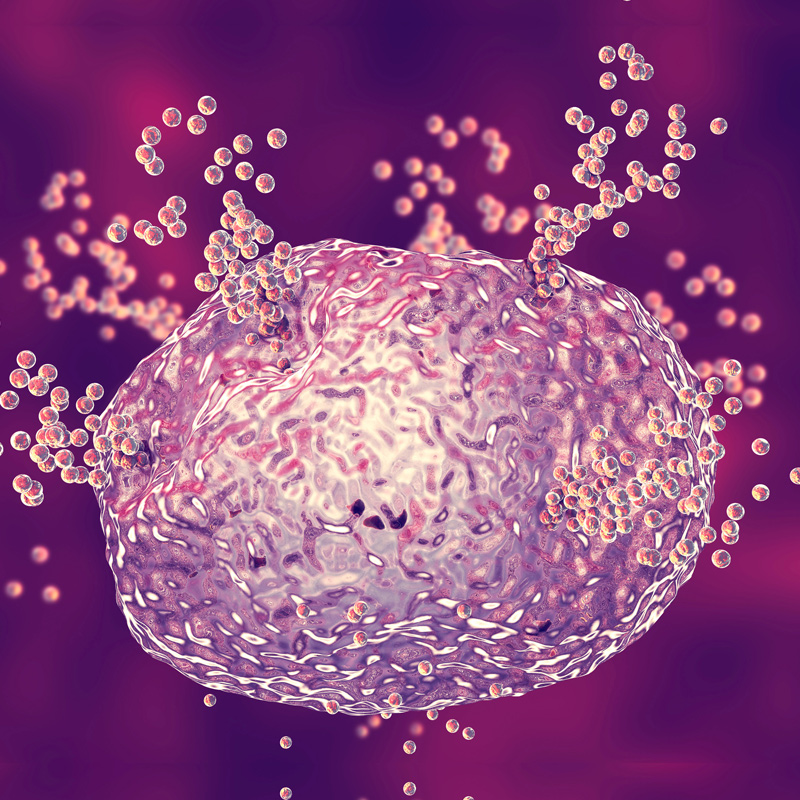

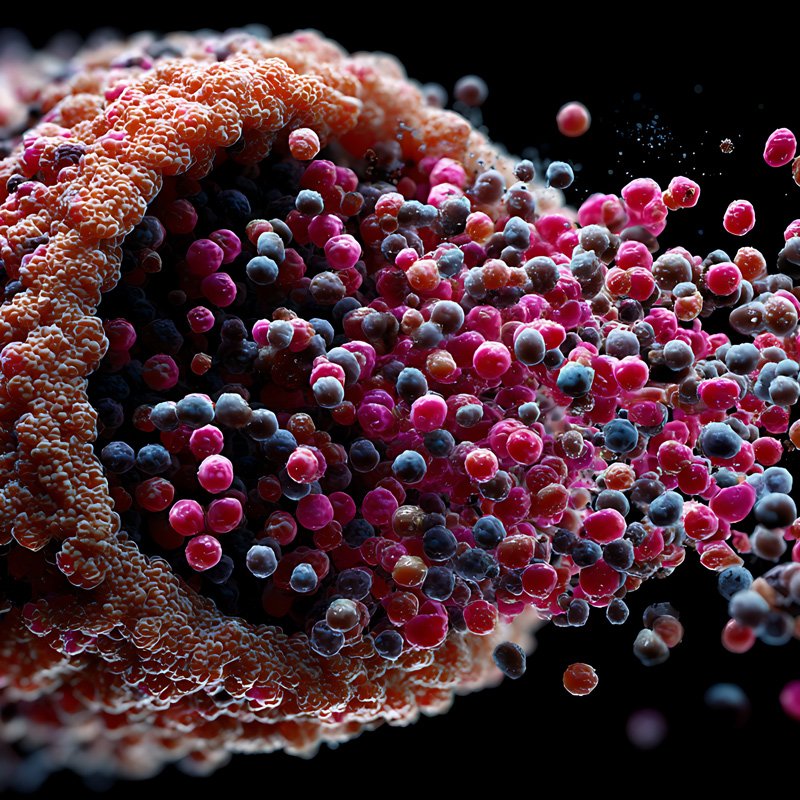
Mast Cell Activation Syndrome (MCAS)
Mast cell activation syndrome (MCAS) occurs when mast cells become overly reactive in the body. Mast cells are a type of white blood cell found throughout the skin, lungs, digestive tract, bone marrow, and around blood vessels. Their role is to help the immune system respond to infections, allergens, injuries, and other stressors.
Under normal conditions, mast cells protect the body by releasing chemical mediators—such as histamine and cytokines—that help regulate inflammation and respond to threats. When these cells release mediators too easily or too frequently, the result is a wide range of symptoms known as mast cell activation syndrome.
Mast Cells in Overdrive
When mast cells become overactive or dysfunctional, they can trigger exaggerated allergic or inflammatory responses that affect many different organs and systems. People with MCAS may experience symptoms involving the skin, digestive system, cardiovascular system, respiratory system, or nervous system, which often makes the condition difficult to recognize.
Chronic infections, including Lyme disease and other tick‐borne illnesses, can overstimulate the immune system and contribute to MCAS. Persistent inflammation can make mast cells hypersensitive and more likely to overreact to everyday triggers.
As a result, foods, medications, fragrances, cleaning products, and other everyday exposures can suddenly trigger intense allergy‐like reactions. This abrupt sensitivity to common items is one of the hallmark features of MCAS.
Types of Mast Cell Disease
There are two major forms of mast cell activation diseases.
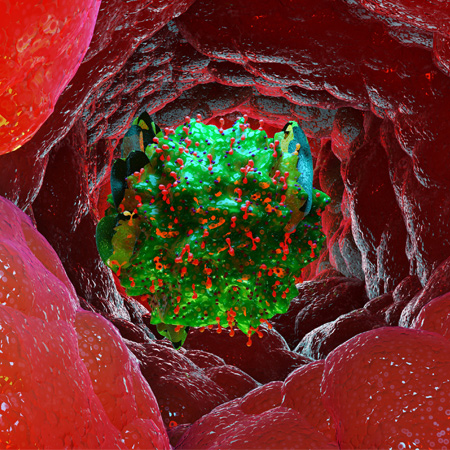
Mastocytosis
is a rare condition where the body makes too many mast cells. These extra cells can build up in the skin, bone marrow, and other organs, leading to symptoms like flushing, skin changes, digestive problems, and, in severe cases, organ issues. It is typically diagnosed with a bone marrow biopsy or genetic test.
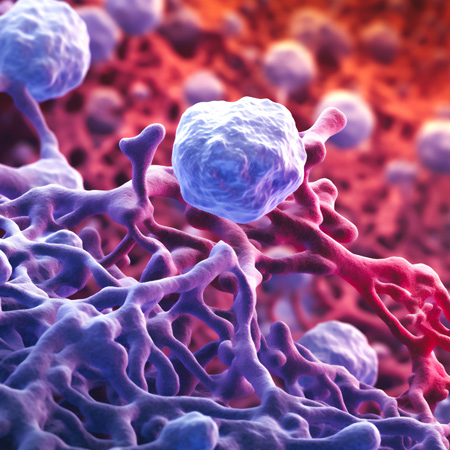
Mast Cell Activation Syndrome (MCAS)
occurs when mast cells become overactive, releasing excessive amounts of chemical mediators (i.e., histamine, cytokines, interleukins). This can cause unpredictable symptoms in the skin, gut, heart, and nervous system. Common triggers include certain foods, environmental exposures, stress, or infections.
Common Triggers of MCAS
People with MCAS often react to exposures that most individuals tolerate without difficulty. These triggers vary widely from person to person, and reactions may involve different organs and systems of the body.
Common triggers include:
Infections: bacteria, fungi, parasites, viruses
Insect bites: spiders, ticks, fleas, mosquitos, bed bugs
Foods: dairy, fermented or aged foods, wheat, shellfish, sugar, preservatives
Drugs: alcohol, hormones, opioids, certain medications or fillers
Environmental factors: sun exposure, temperature or pressure changes, pollen, dust, mold, animal dander, heavy metals, pesticides
Noxious odors: perfumes, smoke, exhaust fumes, smog, cleaning supplies
Because triggers differ so much between individuals, identifying and managing MCAS can be complex. What provokes a reaction in one person may have no effect on another. Keeping a symptom and trigger diary, minimizing known exposures, and working with a knowledgeable clinician can help people better understand their unique sensitivities and reduce flare‐ups over time.
Note: The information presented on this page has been reviewed and approved by a member of our Medical Leadership Board.