
Alpha-gal Syndrome
A Delayed Allergy Triggered by Tick Bites
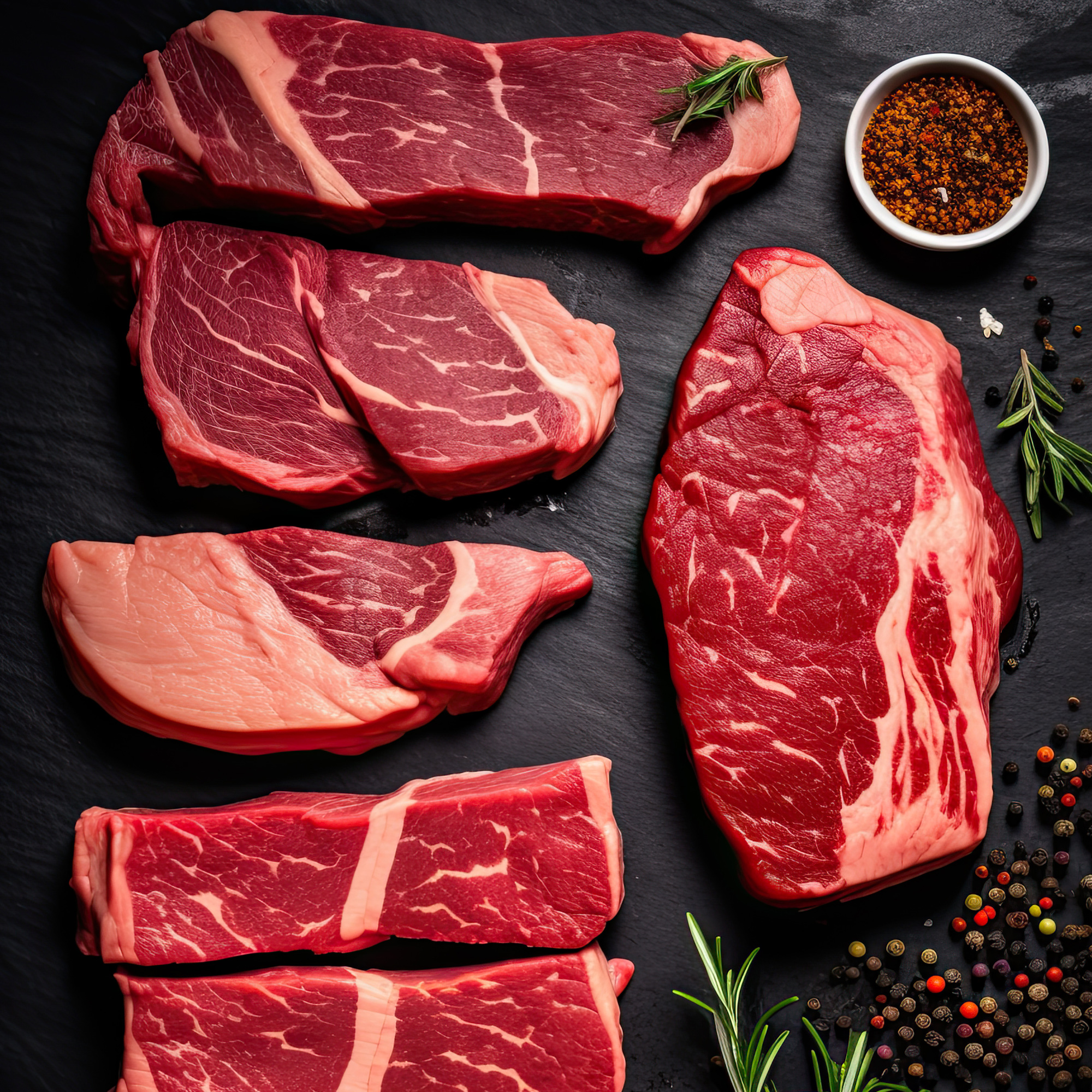
AGS causes reactions not only to red meat, but to a wide range of mammal‐derived foods, ingredients, and products.
What is alpha-gal syndrome?
Alpha‐gal syndrome (AGS) is often described as a “red meat allergy,” but the condition is broader than that. It’s an allergic reaction to alpha‐gal, a sugar molecule found in most mammals — and therefore present not only in red meat, but also in many mammal‐derived foods, ingredients, and products such as gelatin, lard, tallow, and certain dairy products. Because alpha‐gal is found in so many places, reactions can vary widely from person to person.
How tick bites lead to AGS
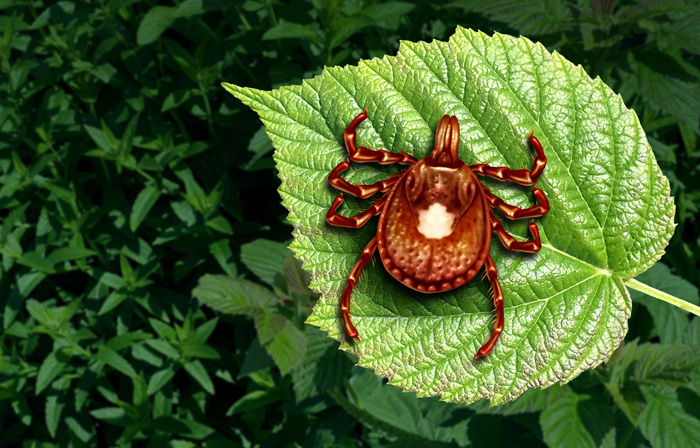
In the U.S., AGS is most commonly linked to bites from the lone star tick, though other tick species — including the blacklegged tick and western blacklegged tick — have also been associated with sensitization. Around the world, different tick species have been connected to the development of AGS.
When a tick bites, it can pass alpha-gal from its saliva into the bloodstream. In some people, alpha-gal triggers a reaction in their immune system that causes an allergic response whenever they eat red meat, or othe alpha-gal containing products.




What triggers alpha-gal symptoms?
While alpha gal symptoms may take several hours to appear, exposure to alpha-gal via inhalation, injected drugs or vaccines can cause an immediate reaction. Personal products that use ingredients containing “hydrolyzed protein”, lanolin, glycerin, collagen, or tallow are particularly problematic.
Additional products that can trigger alpha gal symptoms are jello, gelatin capsules, certain medications, pig or cow heart valves, surgical mesh, certain vaccines and unlabeled “natural flavorings” in foods.
Alpha-gal Syndrome: Common Symptoms
Alpha gal symptoms usually don’t appear right away. They typically show up 2 – 6 hours after eating. This delay can make it hard to identify the food as the cause. Alpha-gal can cause mild to severe symptoms. It also can cause you to have reactions to other foods that come from mammals, such as dairy products or gelatin.
Because alpha gal symptoms can appear in the middle of the night (long after dinner), people may not immediately suspect a food allergy. In fact, researchers believe that some individuals may have alpha-gal syndrome and not even know it.
Alpha gal symptoms include:
Hives or itchy rash
Swelling of lips, face, tongue, or throat
Stomach pain, diarrhea, nausea, or vomiting
Shortness of breath or wheezing
In severe cases, anaphylaxis. This is a potentially life-threatening allergic reaction where blood pressure drops dangerously low and breathing becomes difficult.
Recognizing and Managing Alpha‐gal Syndrome
Alpha‐gal syndrome is typically identified through a combination of:
These tools help determine whether alpha‐gal is contributing to symptoms and which specific foods or products may be triggering reactions.

At this time, management focuses on avoiding red meat and other products that contain alpha‐gal. Because alpha‐gal can appear in foods, medications, supplements, and personal care items, identifying triggers often requires careful label reading and awareness of hidden sources.
Note: The information presented on this page has been reviewed and approved by a member of our Medical Leadership Board.