Gender disparities in Lyme disease: Women face higher risk of severe and prolonged illness

Women with Lyme disease take longer to get diagnosed, have more severe symptoms and experience higher rates of disability when compared to men. They may also be more likely to develop persistent Lyme disease.
Those are among the findings of a recent study that analyzed information from the MyLymeData patient registry. The results have been published in the International Journal of General Medicine.
The present study, which was conducted by LymeDisease.org, assessed sex-based differences in Lyme disease patients who remained ill for six months or more after antibiotic treatment. In addition to responses from 2,170 patients enrolled in MyLymeData, the researchers reviewed other Lyme disease studies to evaluate the distribution of patients by sex, stage of illness, data source, and enrollment criteria.
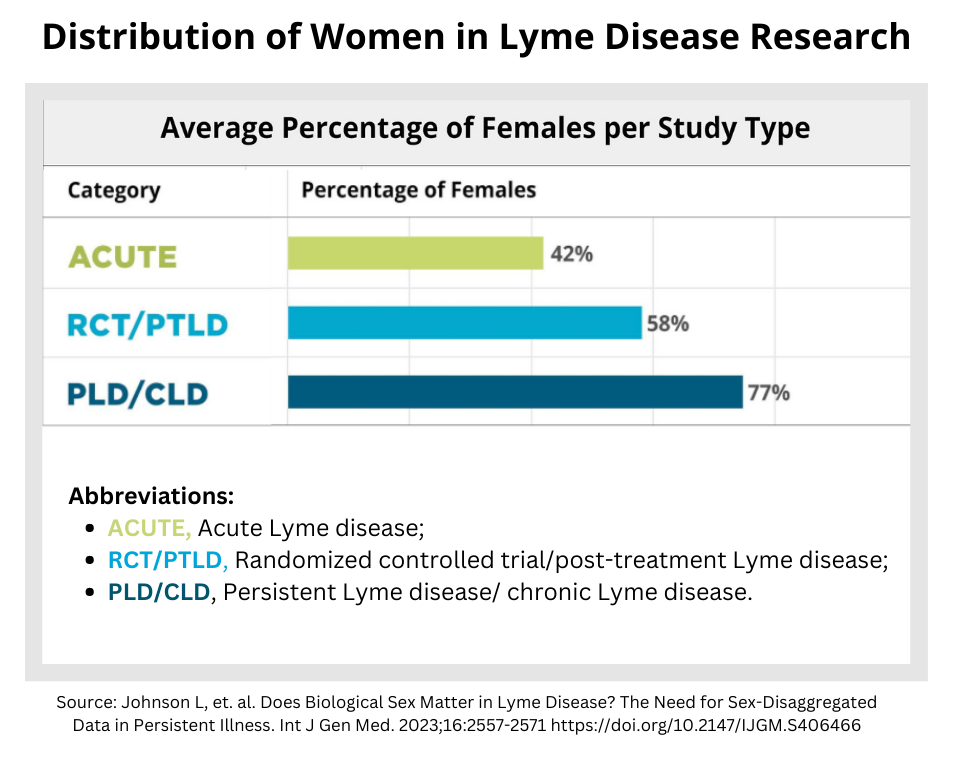
Analysis of the study data revealed several important insights. Women reported a higher prevalence of tick-borne co-infections, more severe symptoms, longer diagnostic delays, increased misdiagnoses, and greater functional impairment compared to men. However, no significant differences were observed in antibiotic treatment response or side effects. The majority of both men and women who were treated with antibiotics reported improvement.
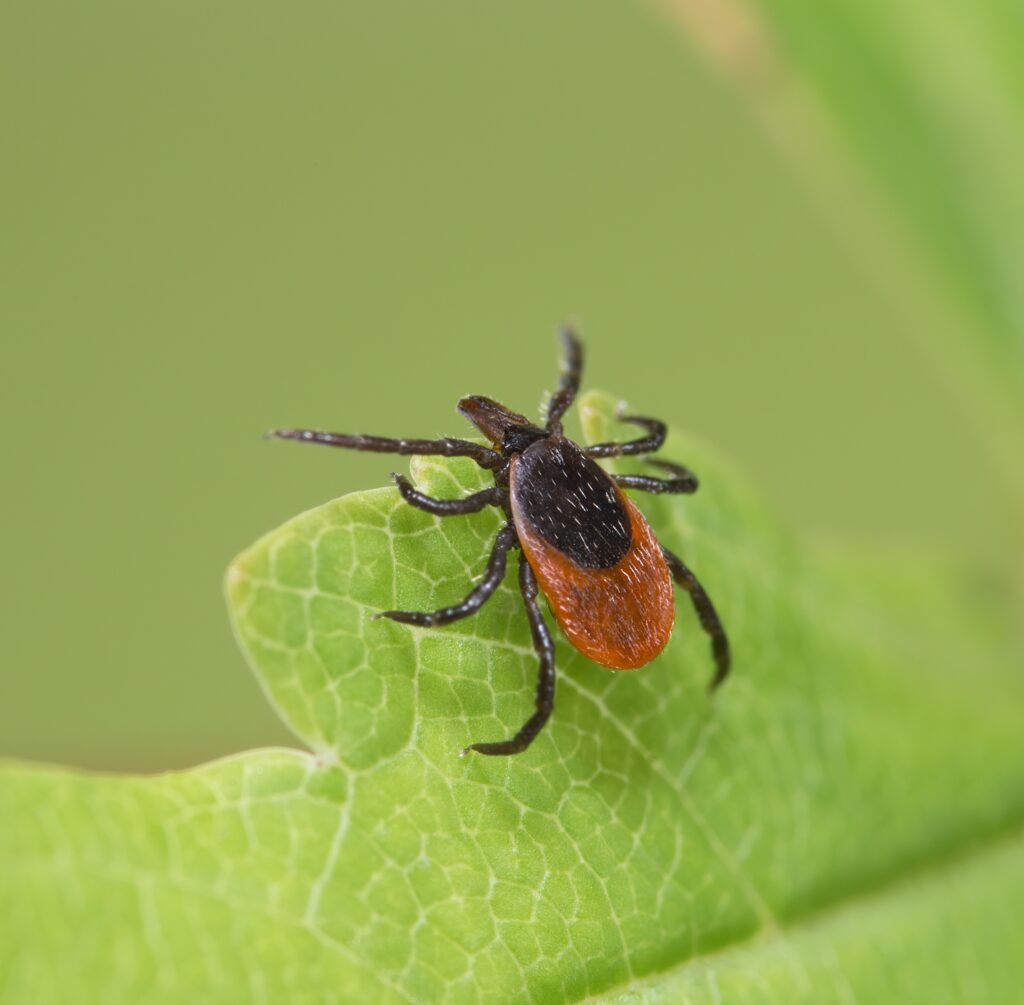
Lyme disease is a tick-borne infection caused by Borrelia burgdorferi, a corkscrew-shaped bacteria known as a spirochete. The Centers for Disease Control and Prevention (CDC) estimates that over 476,000 people are diagnosed with the illness each year in the United States. That makes new cases of Lyme disease more common than breast cancer, HIV/AIDS and tuberculosis combined in this country.
Biological variables?
According to LymeDisease.org CEO Lorraine Johnson, lead author of the study, “We need to find out why more women than men develop persistent Lyme disease. Our study shows that women are diagnosed later—which increases their risk of chronic illness. But we must also determine whether biological variables play a role as they do in other infectious diseases.”
“Science has ignored gender-based differences in research for far too long,” said Dr. Raphael Stricker, the study’s senior author. “Our findings underscore the need for greater consideration of gender-specific factors in Lyme disease research in order to improve outcomes for all patients.”
The study coauthors are Lorraine Johnson of LymeDisease.org, San Ramon, CA; Mira Shapiro of Analytic Designers LLC, Bethesda, MD; Sylvia Janicki of Georgia Institute of Technology, Atlanta, GA; Jennifer Mankoff of University of Washington, Seattle, WA; and Raphael Stricker of Union Square Medical Associates, San Francisco, CA.
Additional Resources:
This study can be downloaded here.
For more information about findings from the registry, visit the MyLymeData Viz Blog.

lymediseasestaff
Do You Have Lyme Disease?
Use our symptom checklist to better understand possible Lyme disease signs and next steps.
Newsletter Sign-up
Helpful Resources
Support LymeDisease.org
Your support helps us advocate for patients and fund critical Lyme disease research.