A mother reflects on six years of caring for a child with Lyme disease
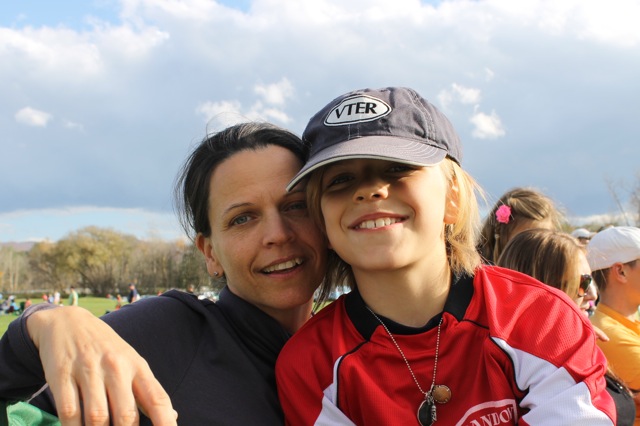
by Rebecca Zelis
Six years of Lyme disease treatment is a roller coaster of illness and remission. When my son was first diagnosed his symptoms changed hourly, but with the passing of time and different treatment protocols, his symptoms became less frequent.
Several good days in a row (which used to feel like a miracle) evolved into several good weeks. Eventually we could count on months of overall health and consistent energy.
During these “good” months, we enjoyed the thrill of normalcy, the ease of planning ahead, and the comfort of keeping to a schedule. As is often the case with treating complex Lyme disease and co-infections, healthy phases can precede some bad ones.
I am still trying to figure out the mysterious alchemy of relapse. A flu virus added to too much sugar at a birthday party? New antibiotics plus stress about a final exam? Whatever the recipe, joint pain, headaches, and exhaustion return, and we are back in ‘Lyme Time.’
(‘Lyme Time’ is a form of semi-hibernation where we arrange our days around symptoms, and are amused by the notion that we once had the hubris to make plans.)
I say “we” because when a child has Lyme disease it can affect every part of a family’s day: who goes to work and who stays home, which parent will attend a sister’s school play, and who will drive three hours to the doctor’s appointment. Lyme disease decides which plans will be kept and what must be cancelled – often one day at a time.
For months I have not attended any events, activities, or even church with my husband. With my son home sick most days, we take turns chauffeuring our daughter to birthday parties, music performances, or Sunday School.
The other parent stays home, cleans the house, and (gratefully) endures hours of monopoly, Pokemon, and chess if our son is feeling well enough to play.
When it is my turn to attend an event I smile, and make polite conversation, but it feels like my limbs are missing. Half of me is always somewhere else, thinking how much my son would have liked this band, or that it would have been nice to enjoy a dance with my husband.
I am glad that our daughter can continue her activities when her brother is ill, and I feel lucky that one of us is able stay home when our son is not well. But competing with my dogged gratitude is a sadness and a sense of loss. I miss being together as a family.
Every family is a system, and Lyme disease affects that system. The inability to plan ahead or keep commitments affects friendships, professional choices, and personal goals. Resources and attention can be skewed toward a sick child, and siblings do not have the flexibility or spontaneity they might have without illness in the house.
It can also be difficult to nurture a marriage amidst the distraction of unpredictable symptoms and frequent crisis. When my son was first diagnosed, I was so focused on his treatment that I didn’t realize my relationships were slowly crumbling.
Now that Lyme disease is not always such a dominant presence in our lives, we sometimes get to see how much easier it is to live and love with its absence.
When my son began feeling well for months at a time, I wanted to assume his health would continue forever. Relapses are a difficult reminder that the effects of Lyme disease are not always easily cured. They can also be a helpful reminder to take things slowly, and to find something to be grateful for each day.
I try to have faith that, eventually, we will have more time together as a family. Until then, we may not always be together, but we can do our best to stand together. For now, that is what we have, and I am learning to make that be enough.
Rebecca Zelis shares what her family has learned from Lyme disease with the hopes of helping others in a similar situation. She can be contacted through her websites: VTLyme.org and www.caringforandhealing.com .

Contributing Author
Do You Have Lyme Disease?
Use our symptom checklist to better understand possible Lyme disease signs and next steps.
Newsletter Sign-up
Helpful Resources
Support LymeDisease.org
Your support helps us advocate for patients and fund critical Lyme disease research.