

Here’s to the crazy ones.
The misfits. The rebels.
The troublemakers. The round
pegs in the square holes – the
ones who see things differently.
They’re not fond of rules and
they have no respect for
the status quo. You can praise
them, disagree with them,
quote them, disbelieve them,
glorify or vilify them.
About the only thing that you
can’t do is ignore them.
Because they change things.
(Apple ad)

Written by
Do You Have Lyme Disease?
Use our symptom checklist to better understand possible Lyme disease signs and next steps.
Newsletter Sign-up
Helpful Resources
Support LymeDisease.org
Your support helps us advocate for patients and fund critical Lyme disease research.
Related Articles
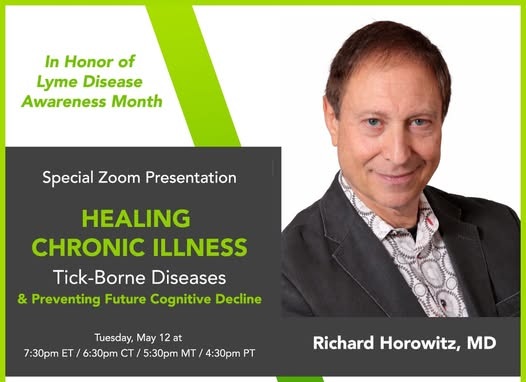
Watch Dr. Horowitz’s “save your brain” webinar here
Experts estimate that 42% of people over age 55 will develop some form of dementia during their lifetime. Dr. Richard Horowitz has an important message…
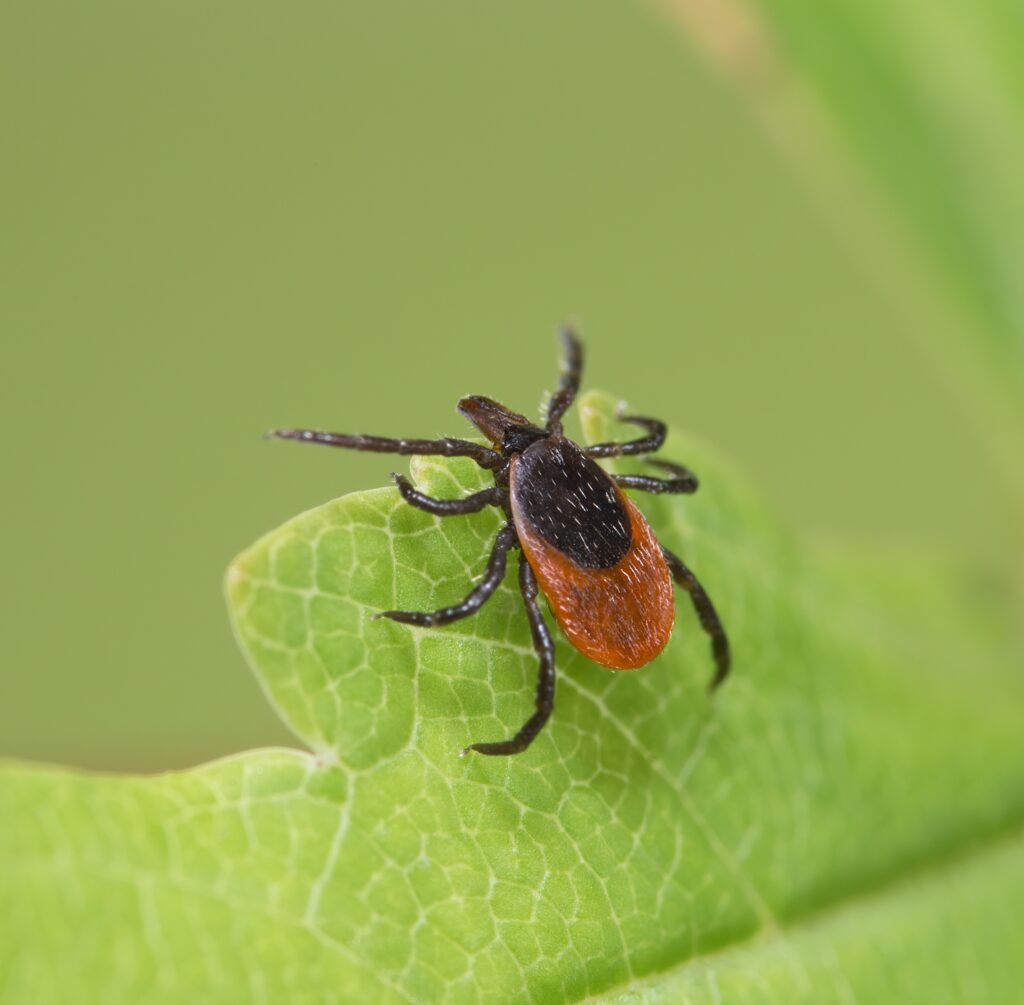
Is there a link between Lyme disease and alpha‑gal syndrome?
By Meg Muckenhoupt A new study by Cleveland Clinic researchers shows a strong link between Lyme disease and alpha-gal sensitization. In this context, sensitization means…

When chronic Lyme shapes a life and the music that comes from it
Artistry with Heart is a podcast devoted to the inner life of artists — the doubts, the breakthroughs, the healing, and the deeply human stories…

PODCAST: Chronic pain doesn’t have to win. Try this instead.
By Fred Diamond Wendi Lindenmuth says that healing from Lyme disease begins not with fighting the body but with resolving to listen to it. That’s…
One Lyme drug didn’t pan out, but a better option is on the horizon
Back in 2021, the Lyme community was buzzing about a potential new treatment called hygromycin A. It came out of Dr. Kim Lewis’s lab at…
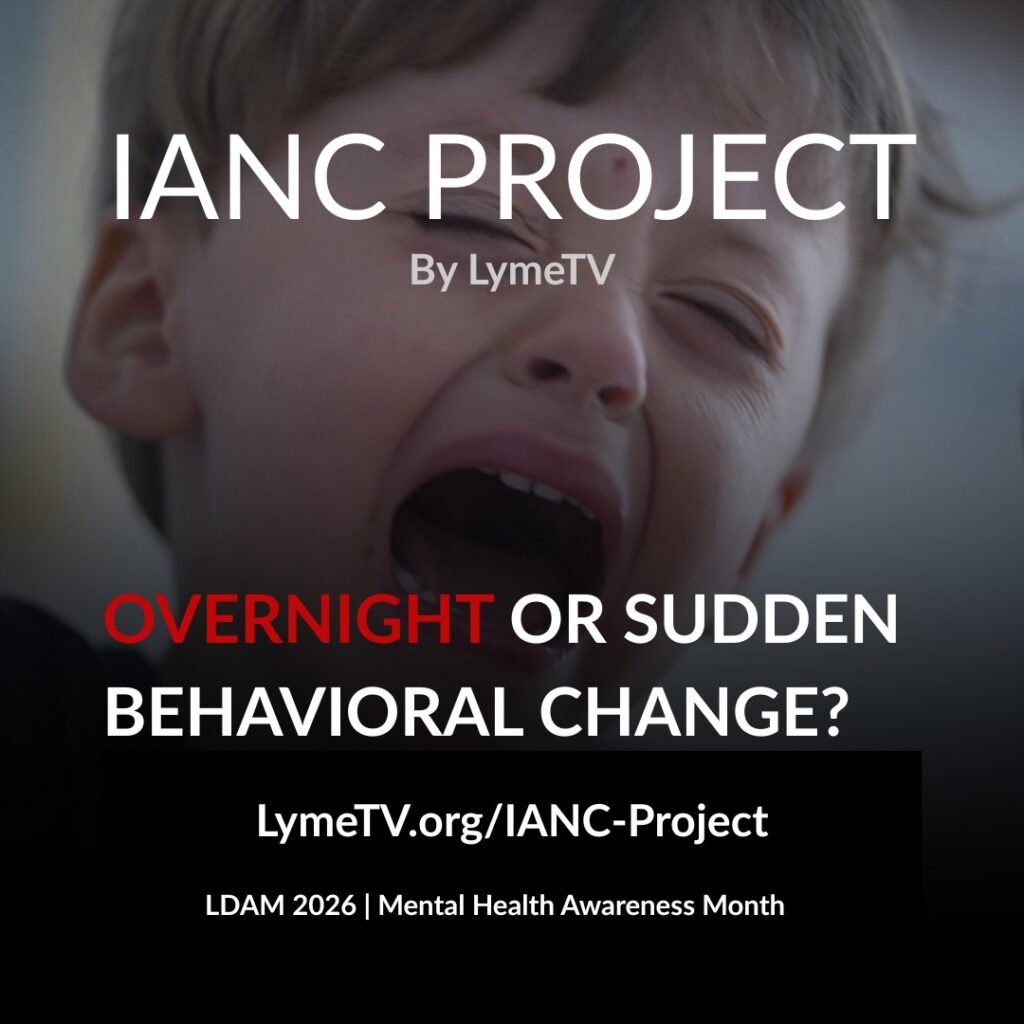
Did your child’s behavior change overnight? LymeTV tackles PANS/PANDAS
By Team LymeTV Imagine your child goes to sleep one night and wakes up a different person. The vibrant, curious child you knew is suddenly…