
Lyme Basic
Pets and Lyme disease
If you share your life with animals, tick prevention isn’t just about protecting your pets — it’s about protecting yourself, too. Dogs, cats, and horses are all vulnerable to Lyme disease and other tick-borne infections, including Bartonella, Babesia, Ehrlichia, Anaplasma, Rocky Mountain spotted fever, and tick paralysis.
Symptoms in pets
1. Dogs
Many dogs infected with Lyme disease show no obvious symptoms. But for those that do become noticeably ill, signs typically appear 2–5 months after infection. By this time, the bacteria may have spread throughout the body.
Illness in dogs can take many forms. Common signs include:
Intermittent limping or lameness that shifts from leg to leg
Loss of appetite
Decreased activity
Swollen lymph nodes
Painful, swollen joints
Fever
In rare cases, (1–5% of infected dogs), Lyme can lead to Lyme nephritis, a serious kidney condition that may cause edema (fluid retention), weight loss, vomiting, diarrhea, and can even be fatal.
Cats
Lyme disease is considered rare in cats, but when symptoms do occur, they may include:
Stiffness and swelling in the joints
Fever
Lethargy
Difficulty breathing
Loss of appetite


Horses
Lyme often targets the joints in horses, causing lameness. However, it’s not usually the first diagnosis considered, which can delay treatment.
Horses affected by Lyme disease can also experience:
Behavioral changes such as depression.
Encephalitis
Chronic weight loss
Fever
Neurological dysfunction
Laminitis
Muscle tenderness
Poor performance
Joint issues
Ticks on Pets: A Hidden Risk to Humans
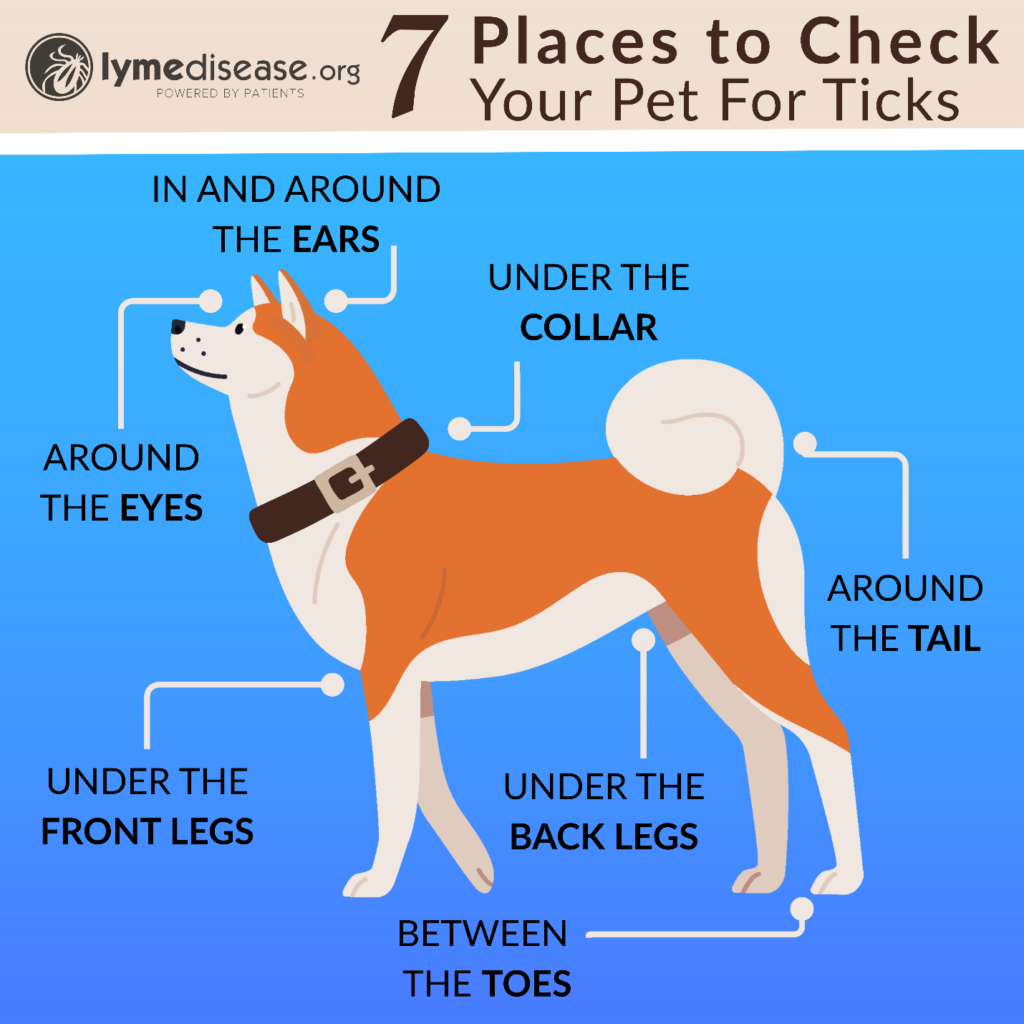
Your pet’s fur can act like a tick magnet, potentially bringing ticks into your home. You may be exposed while cuddling your dog or cat, or while riding your horse. Always check your animals for ticks after outdoor activity and use tick collars or topical flea and tick treatments.
If you’re among the many people who sleep with their pets, it’s important to inspect your bedding— ticks can drop off during the night and pose a hidden risk.
Dogs as Lyme Sentinels
Dogs often visit the same outdoor areas as their owners, making them useful indicators of human exposure to infected ticks. The CDC acknowledges that higher rates of Lyme in dogs correlate with increased risk in humans.
Thanks to widespread veterinary screening, canine sentinel maps may offer more accurate insights into regional Lyme risk than traditional tick flagging or CDC surveillance. These maps also track infections like Anaplasma and Ehrlichia.
Can Pets Transmit Tick-Borne Infections?
While animals aren’t typically direct sources of Lyme or co-infections, cats can transmit Bartonella (also known as cat scratch disease or cat scratch fever)) through bites or scratches. In some U.S. regions, studies show that up to 80% of stray cats carry Bartonella.
Note: The information presented on this page has been reviewed and approved by a member of our Medical Leadership Board.