
Tick Removal & Testing
What to Do After a Tick Bite
Learn the right way to remove a tick and how to have it tested for disease.
How to Safely Remove Ticks
Prompt and proper tick removal is essential to reduce the risk of acquiring a tick-borne disease, such as Lyme disease. The longer a tick remains attached, the greater the chance it can transmit harmful pathogens.
When you discover an embedded tick, follow these tick removal steps:

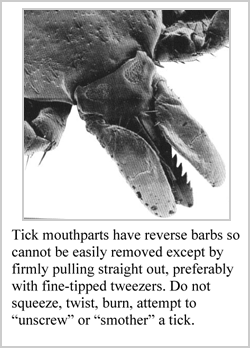
Remove Ticks & Save for Testing
Tick Removal Tools
When you have a tick bite, it’s important to use the right tick removal tools and follow a careful procedure to ensure that the entire tick is pulled out correctly. Several specialized tools include:
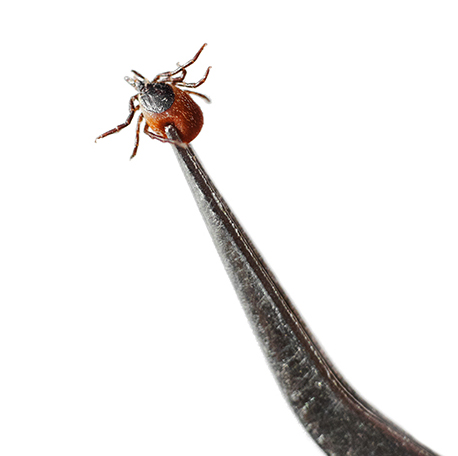
After you’ve removed the tick, clean the bite area with soap and water or antiseptic. And, consider saving the tick in a sealed container for testing ─ in case you later develop symptoms.
Save a Tick for Testing
In order to submit ticks for testing, you must preserve the tick by placing it in a sealable container like a vial or a plastic bag. Add a few drops of rubbing alcohol to preserve it. This kills the tick and prevents decay.
Then, write the date and if possible, the part of the body where the tick was attached. Keep the container in a cool place until it can be sent to a testing facility. Avoid crushing or drying out the tick.Note: You should not put a tick in the freezer if you plan to have it tested. Freezing can damage the tick’s DNA, which may make testing for pathogens less accurate.
Tick Removal & Testing Trends
Tick Testing Labs
If you’ve removed a tick, you can save it and send it in for testing. Some county and/or state vector boards offer testing but usually only check if the tick is harboring Borrelia burgdorferi ─ the bacterium that causes Lyme disease. They typically don’t check for other strains of Borrelia or co-infections, like Babesia or Bartonella.
Since ticks can carry and transmit multiple diseases, you could still be exposed to a tick-borne illness—even if the tick tests negative for Borrelia burgdorferi.
There are several commercial labs that will test the tick for multiple pathogens. Check their websites for procedures on submitting ticks and associated fees.s.