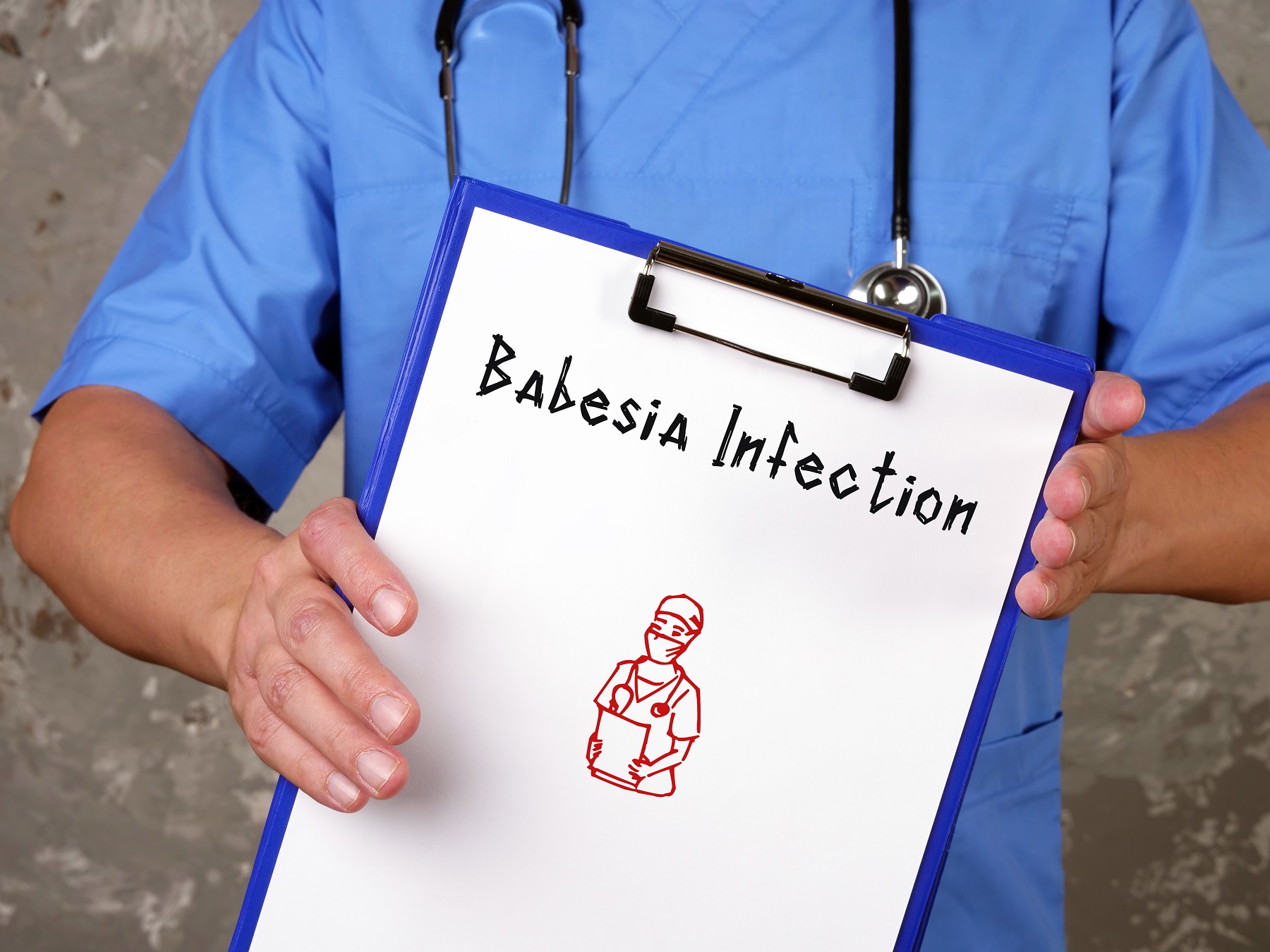
60 Degrees Pharmaceuticals, a company focused on developing treatments for infectious diseases, recently analyzed insurance claims related to babesiosis and chronic fatigue. The study, conducted by Komodo Health, revealed a major gap in reported cases.
While the CDC estimated only 2,000 babesiosis cases in 2020, insurance data shows that 25,000 Americans seek reimbursement for Babesia-related medical costs each year.
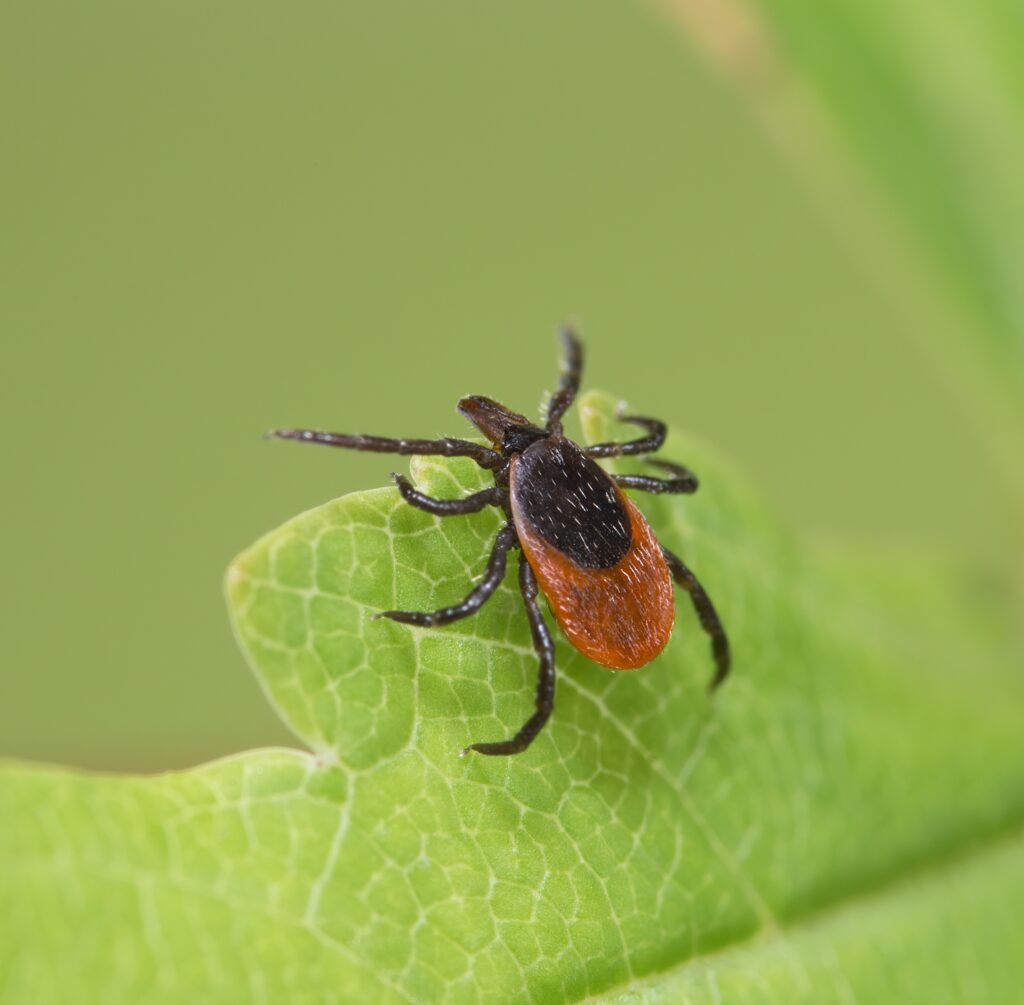
Babesiosis is a tick-borne disease caused by microscopic parasites that infect red blood cells. It is primarily spread through the bite of infected blacklegged ticks and is often a co-infection of Lyme disease.
The insurance data also shows that 14% of Babesia infections last at least a year, with some relapsing up to 27 months later. Many physicians who treat tick-borne infections suspect the real duration is even longer.
The claims data indicated approximately 31 percent of babesiosis cases persist longer than 30 days, and that nearly half of those are associated with chronic fatigue lasting longer than six months. Chronic fatigue during babesiosis has not been systematically described in the medical literature.
Over three years, claims data showed that 12 million U.S. adults suffered from chronic fatigue lasting more than six months. Current Infectious Diseases Society of America advice and other professional guidelines do not require babesiosis to be considered when diagnosing chronic fatigue.
The company is now testing a hypothesis that babesiosis is far more common than existing claims data suggest, particularly among individuals with chronic fatigue lasting six months or more.
SOURCE: 60 Degrees Pharmaceuticals

lymediseasestaff
Do You Have Lyme Disease?
Use our symptom checklist to better understand possible Lyme disease signs and next steps.
Newsletter Sign-up
Helpful Resources
Support LymeDisease.org
Your support helps us advocate for patients and fund critical Lyme disease research.