West Virginia makes alpha-gal syndrome a reportable condition

West Virginia has become the most recent state to make alpha-gal syndrome (AGS) a reportable condition
This means healthcare providers and laboratories across the state are now required to notify the West Virginia Department of Health when they diagnose a case of AGS—a tick-borne illness that can trigger severe allergic reactions to red meat and other mammalian products.
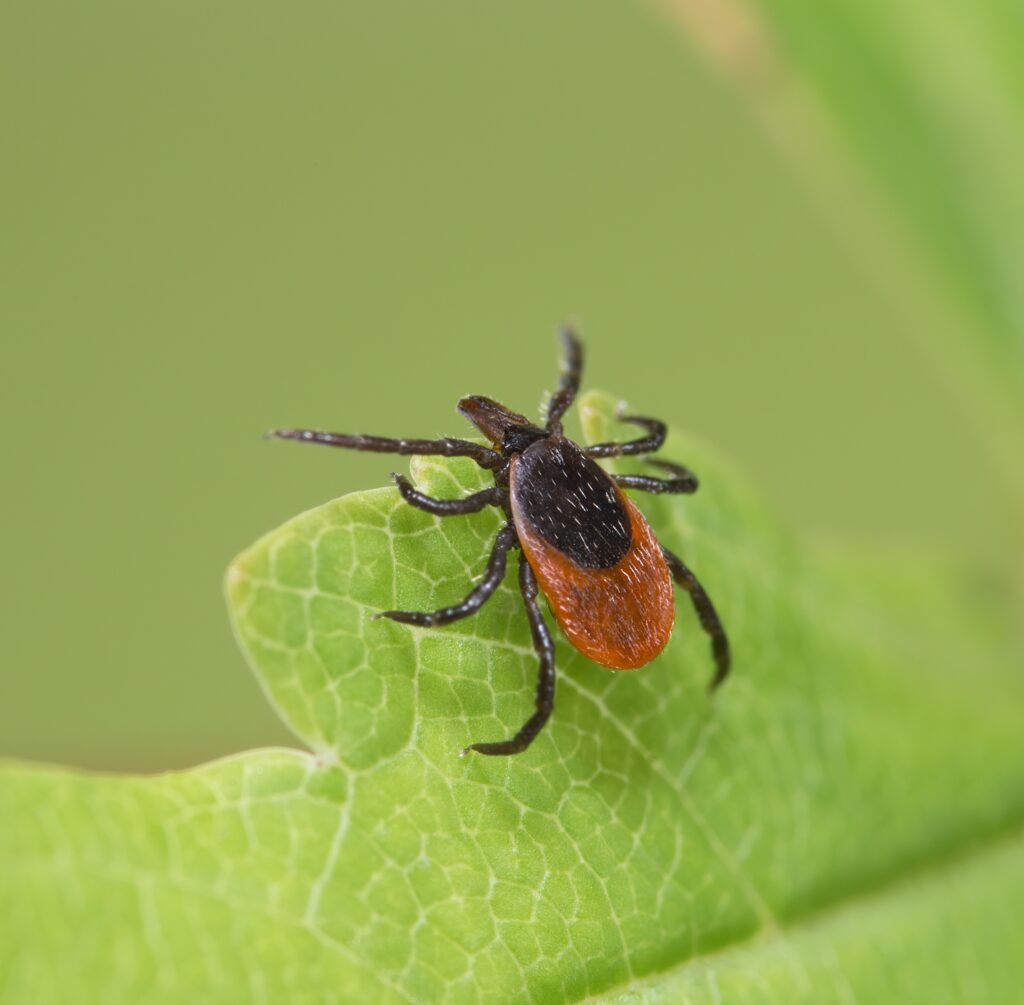
The move comes amid rising concern over the spread of lone star ticks, the primary vector for AGS.
These ticks, identifiable by the white spot on their backs, transmit a sugar molecule called alpha-gal through their saliva.
In some individuals, this exposure causes the immune system to produce allergen-specific IgE antibodies, leading to reactions ranging from nausea and diarrhea to life-threatening anaphylaxis.
Arkansas and Tennessee have also made the condition reportable, and other states are considering it.

lymediseasestaff
Do You Have Lyme Disease?
Use our symptom checklist to better understand possible Lyme disease signs and next steps.
Newsletter Sign-up
Helpful Resources
Support LymeDisease.org
Your support helps us advocate for patients and fund critical Lyme disease research.