
Anaplasmosis
Early Warning Signs of Infection
Anaplasmosis is the second most common tick-borne disease in the U.S.

Anaplasmosis: A Common Lyme Co-infection
Since ticks can carry multiple pathogens, a single bite can transmit not only Lyme disease but other infectious agents, like Anaplasma, Babesia or Bartonella. According to the CDC, between 5 – 10% of patients with Lyme may also be co-infected with Anaplasma. In some high-risk regions such as Wisconsin, studies have found that up to 20% of Lyme disease patients also test positive for anaplasmosis.
A study by LymeDisease.org found that over 50% of people with chronic Lyme disease have at least one co-infection, with about 30% reporting two or more. Among these, anaplasmosis ranks as one of the two most common Lyme co-infections — alongside babesiosis — especially in regions where blacklegged ticks are widespread.
Because co-infections can intensify the severity of illness, early recognition and treatment for both Lyme disease and anaplasmosis are essential. Addressing anaplasmosis symptoms and providing prompt treatment with the appropriate antibiotics, typically doxycycline, can improve outcomes and prevent serious complications.
Anaplasmosis Symptoms and Transmission
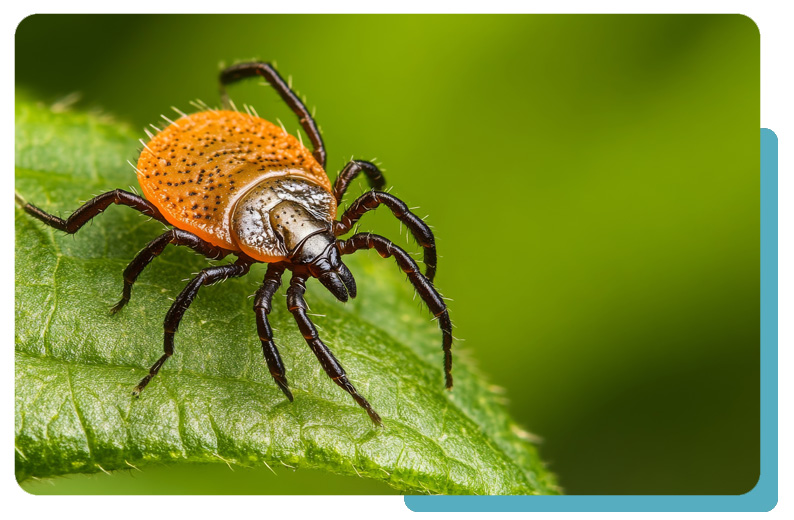
Anaplasmosis is caused by the bacterium Anaplasma phagocytophilum, which infects white blood cells and can trigger a fast‑moving illness that often looks a lot like Lyme disease. It spreads through the bite of an infected blacklegged tick.
Because the bacteria live inside white blood cells, they can survive in donated blood. Transmission through transfusion or organ transplant is possible, but rare.
Symptoms usually appear one to two weeks after a tick bite and may include:
Fever
Chills
Severe Headache
Muscle aches
Joint pain
Fatigue
Gastrointestinal symptoms (nausea, vomiting, diarrhea, loss of appetite) can occur in approximately 20% of the cases, according to the CDC.
Neurologic problems (in severe cases)
Rash (uncommon)
How Anaplasmosis is Diagnosed and Treated
Anaplasmosis can be hard to spot because its symptoms mimic many other illnesses. Quick diagnosis matters. Without early treatment, the infection can escalate and lead to complications such as respiratory failure, bleeding problems, organ failure, or death.
Anyone can get anaplasmosis, but severe illness is more common in young children, older adults, and people with weakened immune systems.
Diagnosis is based on symptoms, medical history, and possible tick exposure. PCR tests can detect the bacteria directly, and antibody tests may support the diagnosis. Blood counts often show low white blood cells, low platelets, and abnormal liver function tests.
Early treatment usually leads to rapid recovery with antibiotics. Severe cases may require hospitalization or intensive care.
Note: The information presented on this page has been reviewed and approved by a member of our Medical Leadership Board.