
Lyme Basics
Lyme Disease Symptoms
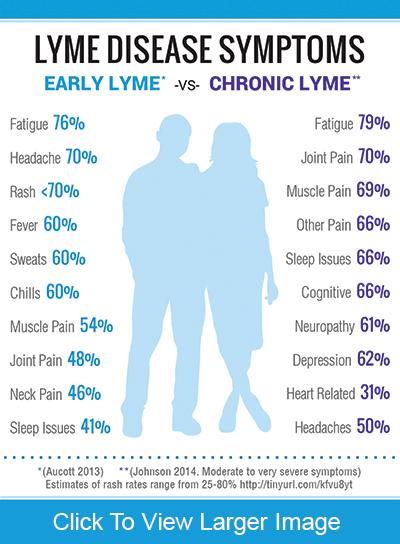
Early Lyme disease often resembles the flu, with symptoms such as fever, chills, sweats, muscle aches, fatigue, nausea, and joint pain. Some patients have a rash or Bell’s palsy (facial drooping).
A bull’s-eye-shaped rash, known as an erythema migrans (EM) rash, is often considered a hallmark sign of Lyme disease. However, many people develop a different type of rash—or none at all—making early diagnosis more difficult.
Estimates of patients who develop a Lyme rash vary widely, ranging from 30% to 80%. For example, a CDC report on Lyme carditis, which can be fatal, found that only 42% of cases had a rash.
Lyme Disease Symptoms Checklist
LymeDisease.org has created a checklist to help you document your exposure and symptoms. You’ll receive a personalized report that you can print and bring to your healthcare provider.
Chronic Lyme Disease Symptoms
If Lyme disease is not diagnosed and treated early—or if early treatment is inadequate—it can progress to late-stage or chronic Lyme. While some symptoms overlap with early Lyme, chronic Lyme often affects multiple body systems and presents with more severe or persistent issues.
Lyme disease can spread throughout the body and affect any organ system. In our survey of more than 5,000 Lyme patients, those with chronic Lyme reported an average of three severe or very severe symptoms, with 74% experiencing at least one symptom at that intensity.
Physical symptoms of Lyme
Early Symptoms (3 to 30 days after a bite)
Fever & Chills
Headache
Fatigue
Muscle and joint pain (aches)
Swollen lymph nodes
Erythema migrans (EM) rash
Later Symptoms (30 days to several months after a bite): Note: Some symptoms may overlap with other tick-borne diseases such as Babesia, Bartonella, Anaplasma, and Ehrlichia.
Headache and/or neck stiffness
Rashes (may appear at places other than the bite site)
Dizziness
Chronic fatigue
Nausea
Stomach problems
Frequent urination
Constipation
Fibromyalgia
MS/Lupus-like symptoms
Shortness of breath
Arthritis
Nerve pain
Joint swelling and severe joint pain
Facial palsy
Visual issues
POTS/dysautonomia
Pain that cycles and moves around the body
Inflammation of the brain and/or spinal cord
Neuropathy
Seizures
Lyme carditis
Neurologic Symptoms of Late-Stage Lyme
Cognitive and Emotional Symptoms:
Short-term memory loss
Brain fog
Slower information processing
Difficulty with working memory and recall
Aphasia (difficulty speaking)
Trouble with math and higher-level thinking
Difficulty writing or staying focused
Emotional dysregulation
Irritability and sudden anger/rage
Nightmares
Depression
Mania
OCD
Sleep disturbances
PANS/PANDAS
Why Lyme Disease Symptoms Are Often Misdiagnosed
Many Lyme symptoms—such as fatigue, joint pain, cognitive issues, poor sleep, and mood disturbances—also occur in other conditions. These include chronic fatigue syndrome, fibromyalgia, rheumatoid arthritis, multiple sclerosis, Parkinson’s disease, ALS, depression, and Alzheimer’s disease. As a result, many Lyme patients are misdiagnosed, delaying appropriate treatment.
Lyme Disease and the CDC
In order for the Centers for Disease Control (CDC) to recognize a Lyme case for surveillance purposes, there must be “objective” findings, such as
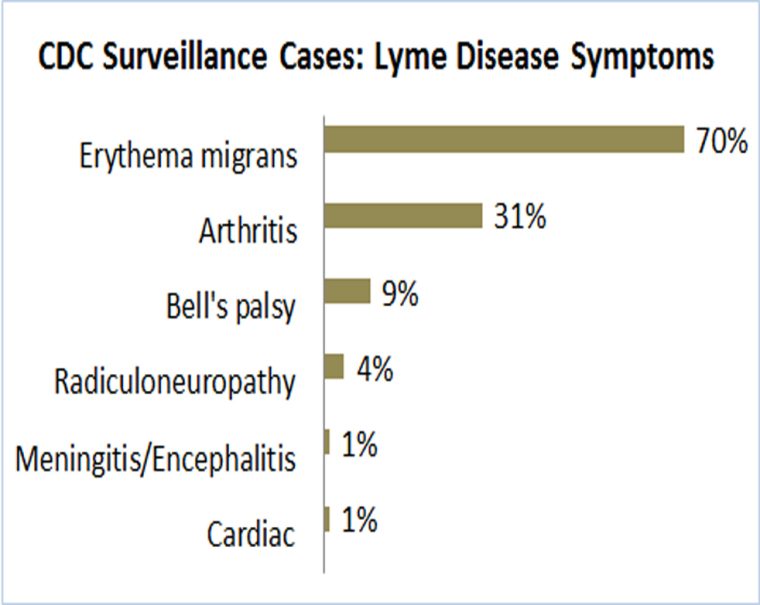
However, Lyme blood tests are often unreliable, and the CDC’s accepted “objective” indicators are not always present. This approach can lead to underreporting and missed diagnoses.
Much work still needs to be done to have reliable testing, more trained practitioners, and accessible treatments that are covered by insurance.


Newsletter Sign-up

Note: The information presented on this page has been reviewed and approved by a member of our Medical Leadership Board.