
Access to Care in Lyme Disease: Clinician Barriers to Providing Care
Johnson, L. B., & Maloney, E. L. (2022). Access to Care in Lyme Disease: Clinician Barriers to Providing Care. Healthcare, 10(10), 1882. https://doi.org/10.3390/healthcare10101882
This study surveyed more than 150 clinicians who primarily treat patients with persistent or chronic Lyme disease to better understand the barriers to providing care. Respondents reported that the time and complexity required to treat these patients make it difficult to work within the current insurance-based healthcare system. They also highlighted increased legal risks, including potential medical board actions and disputes with insurers.
A major challenge is the length of visits needed to properly evaluate and manage symptoms. Initial appointments often last one to two hours or longer, and follow-up visits frequently take an hour or more. These extended visits increase the cost of care and limit the number of patients clinicians can see.
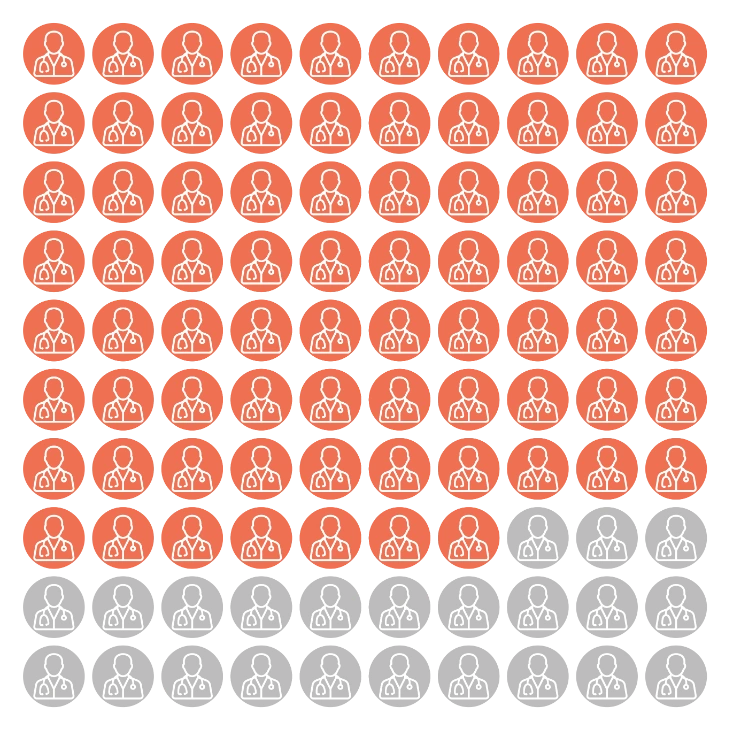
Insurance-related administrative demands and legal concerns also affect how care is delivered. Most clinicians (74%) do not participate in insurance networks or bill insurers directly, and 77% do not accept Medicare, Medicaid, or other government-supported plans.
As a result, the cost of care for chronic Lyme disease is often higher than for conditions involving fewer time, administrative, and legal challenges. This can make it harder for patients to find accessible and affordable care.
Background. Patients with persistent or chronic Lyme disease face major difficulties obtaining care, but the barriers experienced by clinicians providing that care had not been examined in detail.
Methods. Clinicians were surveyed about their professional backgrounds, general practice challenges, supply-and-demand pressures, insurance restrictions, and regulatory or legal concerns.
Results. Respondents reported substantial clinical expertise but also described financial, regulatory, insurance, and professional obstacles. The complexity and time required for care, poor reimbursement, stigma, and legal risk can discourage clinicians from entering or remaining in this area of practice.
Conclusion. Addressing clinician education, professional stigma, regulatory burdens, and reimbursement models is essential to improving the supply of knowledgeable clinicians and expanding access to care.
Study Purpose
The study investigates access-to-care problems from the clinician’s perspective and identifies structural barriers that affect the availability, affordability, and sustainability of care for people with persistent or chronic Lyme disease.
Key Barriers
Clinicians reported unusually long appointments, complex multisystem illness, extensive administrative work, inadequate insurance reimbursement, professional stigma, medical-board scrutiny, and disputes with insurers. These pressures reduce the number of clinicians willing or able to provide care.
Recommended Changes
The authors call for better clinician education, a more professional and less stigmatizing approach toward treating clinicians, reduced regulatory burdens, and innovative reimbursement models that recognize the time and complexity required to provide appropriate care.
The publisher’s article page includes the complete reference list, survey details, results, tables, discussion, and recommendations for reducing barriers to care.