“’Autism’ is just a label given to a collection of symptoms,” Duncan told me recently by phone. “Some of the symptoms autistic kids have aren’t that different from those of adults with neurological Lyme.” She theorizes that the difference may be that Lyme or other infections hit autistic children early in their developmental process, while adults may have been exposed after their brains were fully developed.
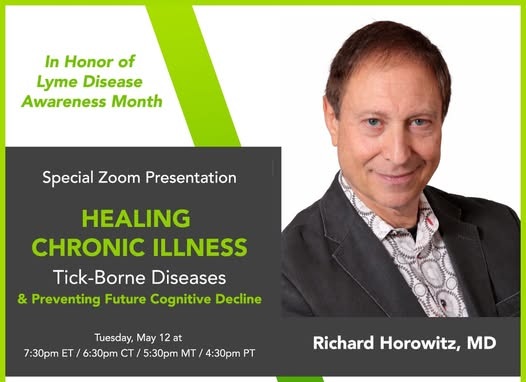
The LIA website offers basic information about Lyme, autism, testing, and treatment options. But an even richer resource has just recently been added: you can now watch the presenters from the group’s 2007 and 2008 conferences for FREE. Here are just a sampling of the leading lights from the Lyme and alternative medicine community available for viewing: Healing Lyme author Stephen Buhner, pediatric Lyme specialist Charles R. Jones, MD, Mold Warriors author Ritchie Shoemaker, MD, Cowden protocol creator Lee Cowden, MD, Dietrich Klinghardt, MD, Richard Horowitz MD. The list goes on.
The 2009 conference, “From Roadblocks to Recovery,” will be held June 25-28, in Scottsdale, Arizona. According to the website, it will focus on intermingling traditional and alternative biomedical treatment for children and adults affected by Borrelia, multiple-infections and/or autism spectrum disorder, Asperger’s syndrome, and ADHD. The impressive line-up of speakers won’t just talk about Lyme or autism (though there will be plenty of that.) They’ll also explore such diverse issues as parasites, mold and chemical sensitivities, alternative medical treatment, herbal supplements and vitamins, to name a few. The first day of the event is devoted to physician training. Remaining sessions, including the keynote address by Dr. Joseph Mercola, are open to all.
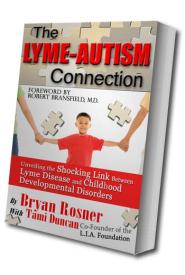
Tami Duncan is co-author with Bryan Rosner of The Lyme-Autism Connection (BioMed Publishing, 2008), which walks the reader through the scientific case for the transfer of Lyme from mother to unborn child, the problematic role vaccinations can play in both diseases, and evidence pointing to how different infectious agents are involved in autism. Furthermore, they discuss the overlapping symptoms between Lyme and a great number of mental conditions, not just autism.
Tami Duncan and the LIA foundation don’t claim to have found all the answers regarding the connection between Lyme and autism, or more importantly, what to do about it. But using a “think tank” model, they have pulled together an array of top talent to shine light on this complex issue, and are committed to keeping up the search.
Comments about this blog post? Email me at dleland@lymedisease.org.

Do You Have Lyme Disease?
Use our symptom checklist to better understand possible Lyme disease signs and next steps.
Newsletter Sign-up
Helpful Resources
Support LymeDisease.org
Your support helps us advocate for patients and fund critical Lyme disease research.