TOUCHED BY LYME: Letters to the editor are a simple way to make a point

|
July 2, 2011

Today I was contacted by a Lyme patient in southern California who wants to get involved in Lyme activism and doesn’t know where to start. Here are a few suggestions I gave her.
1. Join CaliforniaLyme, an online support group. Learn from other people’s experiences and feel connected to a group who understands what you’re going through. Members often discuss opportunities to get involved in all kinds of different awareness activities.
2. Find out if there are in-person support groups in your area. Different groups have different things to offer. Many of them sponsor activities like a Lyme awareness booth at a local fair, or a community showing of UNDER OUR SKIN.
3. Educate yourself about Lyme, via websites and social media. On Facebook, “like” CALDA’s page (Facebook.com/2lymedisease.org). On Twitter, we are @Lymenews.
4. The more you know about it, the better you’ll be able to talk about Lyme to the public. If you haven’t yet seen UNDER OUR SKIN, you should. If you are a member of Netflix, you can watch it on instant view. It’s also available via iTunes, Amazon, and other on-demand video services.
6. Write a letter to the editor of your local paper. Keep it short and simple. Most papers want you to stay under 200 words. Here’s a letter I wrote which was printed last week in the Vacaville Reporter:
Ticks might need to be tested
Thank you for alerting the public to this season’s bumper crop of ticks and some of the diseases they can carry (“Beware of the bugs,” June 25). However, I was dismayed by your article’s suggestion to stomp a tick after you’ve removed it, or to douse it with alcohol.
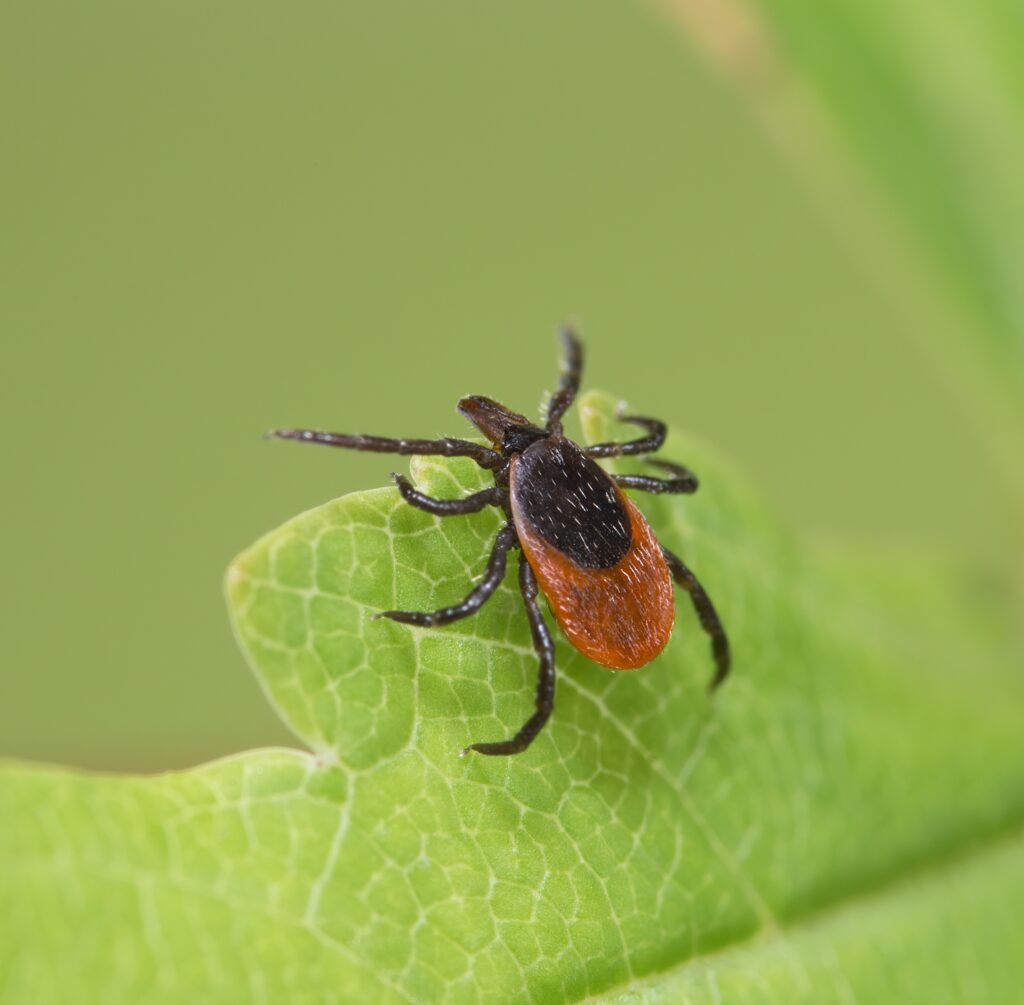
Here’s a better idea: Put the still-living tick in a zip-lock bag, along with a piece of green grass, which will help keep it moist. Saving the tick intact will allow it to be properly identified and, if necessary, tested for Lyme disease.
Best idea of all: Don’t get bitten in the first place. When hiking, stick to the middle of trails and avoid brushing against tall grass. Wear protective clothing and use appropriate repellent on exposed skin. Check yourself, your children and your pets for ticks after you’ve been outside.
Learn more about how to protect yourself and your family from tick-borne diseases at www.lymedisease.org.
Dorothy Leland
California Lyme Disease Association
The TOUCHED BY LYME blog is written by Dorothy Kupcha Leland, CALDA’s VP for Education and Outreach. Contact her at dleland@lymedisease.org.
Do You Have Lyme Disease?
Use our symptom checklist to better understand possible Lyme disease signs and next steps.
Newsletter Sign-up
Helpful Resources
Support LymeDisease.org
Your support helps us advocate for patients and fund critical Lyme disease research.