(Note from Dorothy: Sofia is a member of the Sacramento Lyme disease support group. In this post, she has changed people’s names–except mine!– to protect privacy.)
Every summer, when I’m home in Sacramento from my college in Oregon, I eagerly look forward to the second Sunday of each month. It’s Lyme disease support group day and I’m excited. I rush my mom out the door of our house, getting impatient as she tries to finish wolfing down her vegan tamale.
Half an hour later, we arrive at the hospital on J Street. We park our car, cross the street and go inside the building. There’s a conference room with six tables pushed together, with chairs surrounding them.
At 1:00 p.m., Dorothy Leland introduces herself as group facilitator. She explains that we’ll go around the room and let each person say what they’d like. We start with newcomers.
Ted and his wife Sarah inform us about his experience traveling to Mexico for stem cell injection treatment. He says it’s been helping his Lyme symptoms. People have lots of questions.
Jack tells us about a really good probiotic he uses from China. He also updates us on the miraculous bureaucratic loophole that allowed him to get an IGeneX test paid for through Kaiser.
Soft-spoken Bryan just tells us that he’s angry. Angry and confused. He doesn’t know where to direct his anger. Dorothy calmly says, “The IDSA. Infectious Disease Society of America. You can be angry at them.” Everybody chuckles in agreement. Jen, who is sitting next to him, suggests Bartonella may have something to do with his mood.
I’m next. I explain that my 6-week trial of IV clindamycin is really helping me turn the corner and I’m having fewer bad days. The group is happy for me. A year ago, I could barely walk and almost dropped out of college.
Jen tells us about her upcoming vacation to visit family. Her carry-on bag is 73 pounds. 73 pounds is how much two weeks of Lyme disease treatment weighs for Jen. We wish her a good trip.
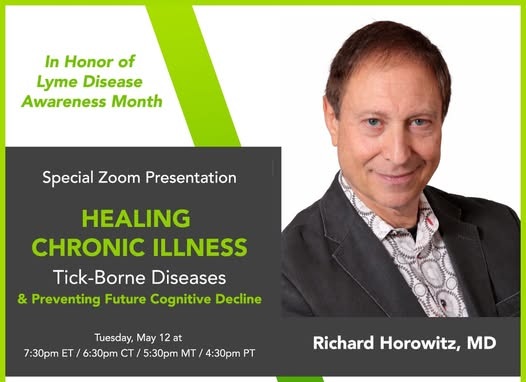
David brought his mother today. She doesn’t speak, she is just there for support. He talks about what he has learned about adrenals and cortisol via Dr. Horowitz’s new book.
Walter keeps getting terribly ill from whatever antibiotics and herbals he tries. Everybody chimes in that it’s probably a build-up of spirochete die-off and he should think about detoxification. People suggest different detoxing ideas.
Hannah shares her special Epsom salt bath recipe: 2 cups Epsom salts, 1 cup baking soda, and 1/3 cup hydrogen peroxide. She warns that you need to start off slowly and gradually work your way up to more time in the bath. It’s a good form of detox.
Dolly is overwhelmed by all the things she has to do, especially checking her mail. Dorothy suggests making small goals for herself each day. “I am going to go through 5 pieces of mail today.”
Mary is very worried about her daughter, who is seriously depressed and just got diagnosed with Lyme. Dorothy mentions a Lyme-literate psychiatrist who comes occasionally to the Bay Area to see patients. I ask Mary to tell her daughter good luck. I know how hard it can be to be young and have Lyme.
We end back at Dorothy, who gives us some Lyme community news. ILADS has updated their treatment guidelines, and she says they are worth reading. She observes that people spoke a lot about detoxing at this meeting, and she says she’ll email us all a list of different detox methods.
My mom and I linger for some time after to chat with Dorothy and Mary about what it’s like being young and having Lyme.
——-
Even though I heard about pain, hardship, and frustration during these two hours, for a moment—a wonderful, warm, fleeting moment—everything is okay. I am not alone in this hellish journey. I have community. And it’s beautiful.
Lyme community is incredibly important. Not only did I learn about eight new things, but I connected with my friends and heard how they’re doing in treatment. Lyme is often one of the hardest struggles patients will encounter in their lives. Seeing people get better is encouraging and lifts me up.
For more information about the Sacramento Lyme support group, send an email to saclyme@gmail.com .
Click here for information on how to start a Lyme support group.
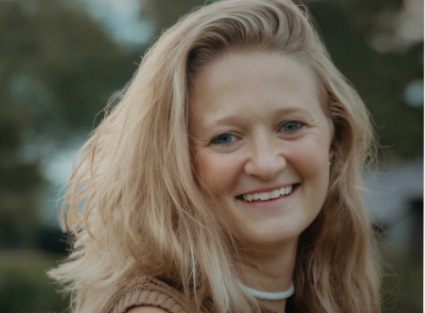
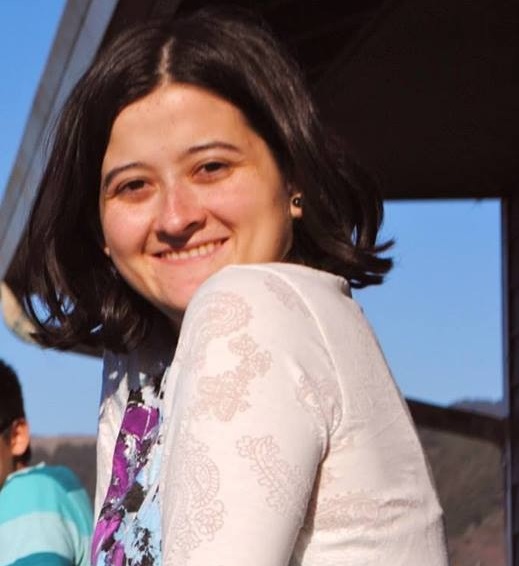
Sofia Webster, a senior at the University of Oregon, has been in treatment for chronic Lyme disease since 2012. She has used her experience with oppression as a Lyme patient to fuel her passion for making social change, especially for people with disabilities.
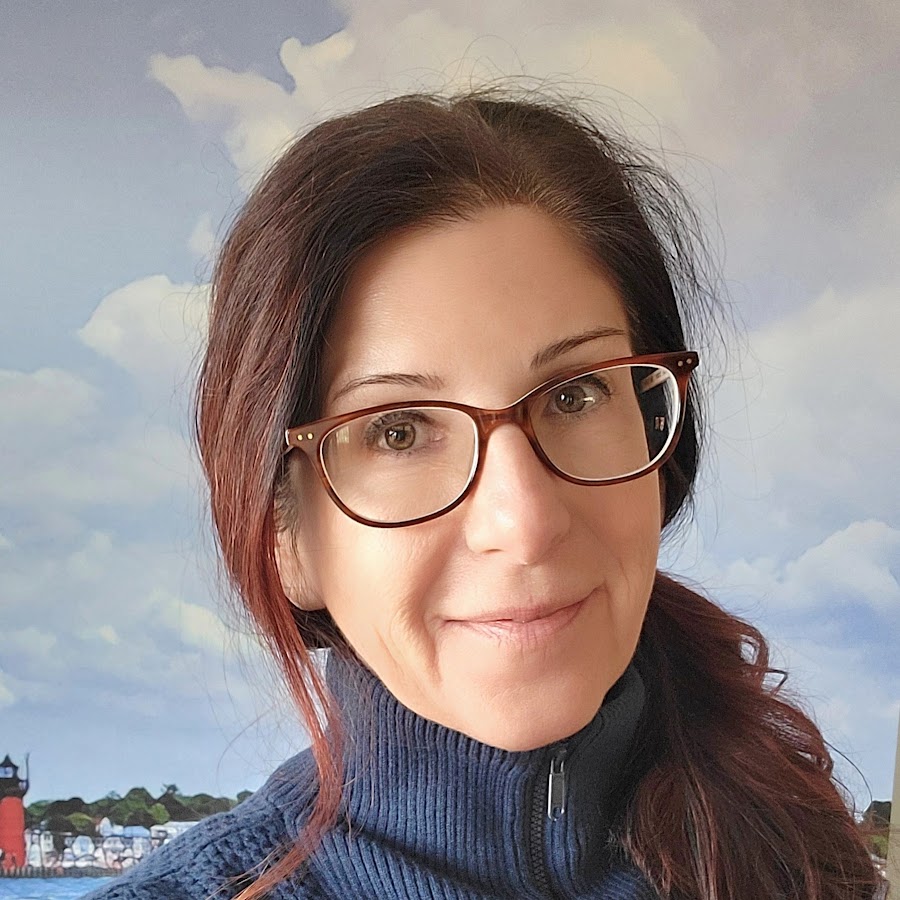
TOUCHED BY LYME is written by Dorothy Kupcha Leland, LymeDisease.org’s VP for Education and Outreach. She also facilitates the Sacramento Lyme disease support group. Contact her at dleland@lymedisease.org. On Twitter, she’s @dorothyleland.

Do You Have Lyme Disease?
Use our symptom checklist to better understand possible Lyme disease signs and next steps.
Newsletter Sign-up
Helpful Resources
Support LymeDisease.org
Your support helps us advocate for patients and fund critical Lyme disease research.