
NEWS: Evidence mounts that Morgellons is infectious, not "delusional"
Morgellons, a painful condition which can cause fiber-like growths on the skin, is sometimes associated with Lyme disease.

Author | LymeDisease.org
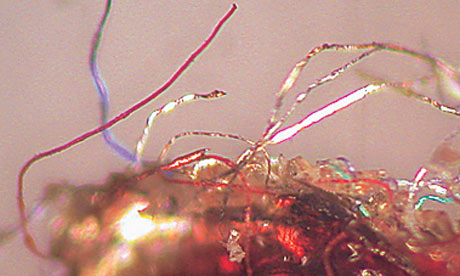
Morgellons, a painful condition which can cause fiber-like growths on the skin, is sometimes associated with Lyme disease.

A recent article by Dr. Fallon and colleagues reviews the findings of the four clinical trials and accurately lays out the state of the science in chronic Lyme research. This is important because future research needs and policy decisions are determined by the state of the science. If there is definitive science that tells us whether treatment for chronic Lyme works, there is no need for additional science and guidelines may justifiably take a hard line on treatment options. Otherwise, we are dealing with science in the making, more studies are needed, and treatment guidelines should be more flexible.

The New York Times article “New Infection, Not Relapse, Brings Back Lyme Symptoms, Study Says” published on November 14 sounds like it is about a study about the cause of chronic Lyme disease. But it’s not. None of the patients in this small sample (17) had chronic Lyme disease. Nor was this a study about the persistent cognitive impairment, pain, and fatigue symptoms of chronic Lyme that force 25% of chronic Lyme patients onto disability. The study looked at people diagnosed with an EM rash, promptly treated, and restored to health, who over a 10year period, developed another EM rash and required treatment. Hardly, surprising in an endemic area, like New York and certainly not “big news.” Also not disputed is that most (not all, but most) patients diagnosed on EM can be successfully treated. But a study of patients with EM or recurring EM is not a study of patients with chronic Lyme disease. And you cannot compare apples to oranges in a study like this. Patients were justifiably outraged when the NY Times said the study challenged the notion the Lyme disease can become a chronic illness.

Guest blogger Toni Bernhard takes issue with how doctors officially describe Chronic Fatigue Syndrome.

Along with new and continuing challenges for the Lyme community, there is also much to be grateful for. Here’s our Thanksgiving gratitude list.
Dr. Fallon, director of the Columbia Lyme Center, and colleagues have recently published an open access article (I’ll post the link below): “A reappraisal of the U.S. Clinical Trials of Post-Treatment Lyme Disease Syndrome.” The article reviews the findings of the four clinical trials and accurately lays out the state of the science in chronic Lyme research. This is important because future research needs and policy decisions are determined by the state of the science.
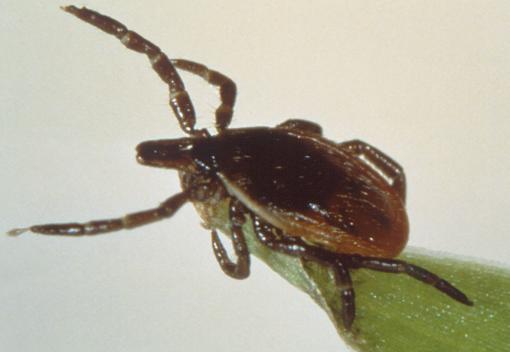
Researchers at Brown University poke holes in the Klempner study, which the IDSA uses to justify denying long-term treatment to Lyme patients.

I was honored to speak at the “What’s NEXT” Lyme forum, hosted by Congressman Chris Gibson at Skidmore College in Saratoga Springs, New York on May 21, 2012. It was a fabulous event and included some terrific presentations. My presentation (which is now posted on our website) highlighted the results of our 2009 survey of over 4,000 patients with chronic Lyme Disease that was published in Health Policy last year. In it, I point out the serious personal and economic consequences of the failed policies of the Infectious Diseases Society of America (IDSA)—policies that have resulted in both an alarming crisis of compassion and an intolerable level of fiscal irresponsibility.
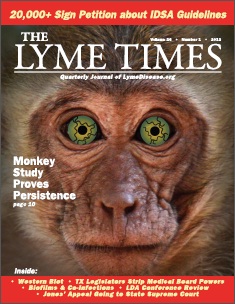
The latest issue of the Lyme Times is on its way to members of LymeDisease.org.

Our petition to have the outdated IDSA Lyme treatment guidelines removed from the National Guidelines Clearinghouse passed 20,000 today. Let’s keep it going!
End of content
End of content