
NEWS: Largest survey of chronic Lyme finds high disability, unemployment, medical costs
LymeDisease.org asked chronic Lyme patients the same “quality of life” questions the CDC asks about other chronic diseases. Nobody had ever done that before.

LymeDisease.org asked chronic Lyme patients the same “quality of life” questions the CDC asks about other chronic diseases. Nobody had ever done that before.

LDo’s most recent survey of over 3,000 patients with chronic Lyme disease was published today by PeerJ. Although the Centers for Disease Control (CDC) recently increased the number of Lyme disease cases in the US from 30,000 to 300,000, little is known about how chronic Lyme disease affects patients. We decided it was time to ask them. This post will provide an overview of the findings and future blogs will focus on other findings regarding coinfection rates, rashes, disability, symptoms and other topics. The study was a joint effort of LymeDisease.Org and Prof. Jennifer Mankoff at Carnegie Mellon University.
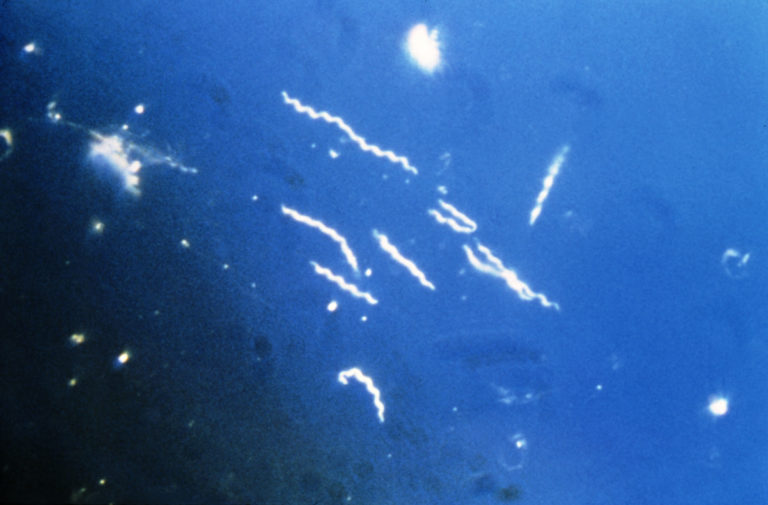
Notes one researcher: “There is always some risk of getting Lyme disease from a tick bite in the woods. But there may be a bigger risk of getting Lyme disease in the bedroom.”

PLOS Pathogens just published the most recent commentary by Dr. Stricker and me on Lyme disease calling for a Manhattan Project effort to seriously tackle this debilitating illness in light of the CDC’s increase in annual incidence from 30,000 to 300,000. An excerpt and a link to the full article, which is available open access is below.

Dr. Stricker and I published a letter to the editor on Lyme vaccines in Lancet. The letter responds to an article by employees of Baxter, which has a vaccine in development. The article by Baxter employees in support of a new vaccine was published with an editorial by Dr. Lantos, the new Lyme spokesman for the IDSA. Both the Baxter article and the Lantos editorial make short shrift of patient vaccine safety concerns, which Lantos describes as “largely unsubstantiated”. Dr. Stricker and I note that the first vaccines sparked a class action lawsuit from patients harmed by the vaccines. In the end, of course, the vaccine was pulled by the manufacturer. We note that “by withdrawing LYMErix when it did, the manufacturer avoided releasing phase 4 post-marketing data that probably would have shown increased side-effects related to the vaccine. The data have never been disclosed.” We conclude that given this sketchy past, any new vaccine will need to be forthright about safety issues. The dismissive attitude toward patient safety reflected in the Baxter article and the Lantos editorial serve only to increase patient distrust. Because vaccinations are given to a healthy population, our first priority is to make sure they are safe. Our letter to the editor is available open access for readers.

Along with new and continuing challenges for the Lyme community, there is also much to be grateful for. Here’s our Thanksgiving gratitude list.
Yesterday, patient advocates testified before the Joint Committee on Financial Services for a bill (H. 989) that would require insurance companies to cover antibiotic treatment for Lyme as prescribed by a physician. LymeDisease.org submitted a chart book as testimony. Drawing on our survey results and a key cost of illness study by Dr. Zhang of the Centers for Disease Control and Prevention, our submission tells the story of how medical costs by insurers have been cut 75% while costs borne by patients, their families, society, and public governments for loss of productivity have increased 200%.

When the CDC increased its surveillance numbers from 30,000 to 300,000, they said the increased case numbers meant we needed to do more about prevention and their emphasis is on avoiding the tick bite. But is prevention in the form of tucking your pants in on the hike, enough? Not by a long shot.

The CDC is likely to officially update its cost estimates for Lyme disease based on the new case numbers, but in the meantime, I’ve pulled together some rough estimates. The annual cost of Lyme disease in the US in 2002 was estimated at $203 million by Dr. Zhang of the CDC. Today the annual cost is likely to exceed $3.1 Billion. The increased cost reflects the CDC revision of case numbers from 30,000 to 300,000 and adjustments for inflation. The average cost of Lyme disease in 2002 was $8,712, which would be $10,343 in today’s dollars. According to Zhang’s study, the later we intervene with the disease, the higher the costs. In today’s dollars the societal cost of Lyme when addressed at tick bite is $400. If we wait until early Lyme disease, the cost increases 4-fold to $1,658. By the time, we are dealing with late Lyme, the cost is through the roof– $20,502.

With the help of people like you, LymeDisease.org raised $150,000 to support the important work of Lyme researcher Dr. Eva Sapi.
End of content
End of content