UCLA research: Signs of Lyme often missed in dark-skinned people
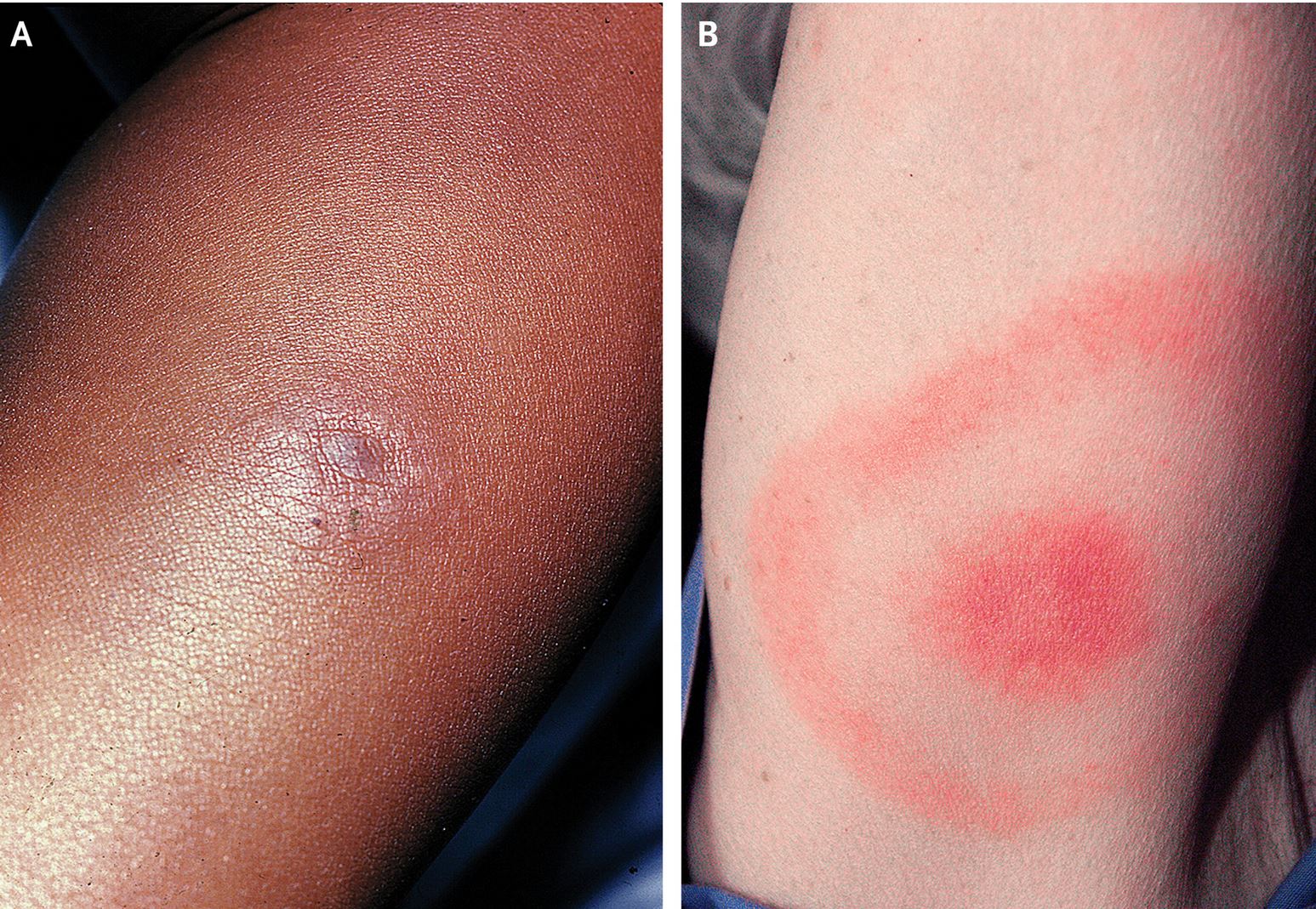
Research from UCLA suggests that many physicians may not have the knowledge or training to properly recognize how Lyme disease appears on the skin of Black people.
In a study just published in the peer-reviewed Journal of General Internal Medicine, UCLA’s Dr. Dan Ly analyzed data from a nationwide sample of Medicare beneficiaries who had all been recently diagnosed with Lyme disease.
Ly found that approximately 1 in 3 Black patients who were newly diagnosed with Lyme disease already had related neurological complications such as meningitis, neuropathy and cranial neuritis— an indication that the disease may not have been properly diagnosed in its earlier stages. Less than 1 in 10 newly diagnosed white patients had these complications.
Medical textbooks and other physician-training materials tend to underrepresent Black patients, Ly said, which could account for delays in diagnoses of certain diseases and conditions, like Lyme disease — delays that can lead to serious health complications.
According to Dr. Ly, differential recognition of the skin manifestations of Lyme disease in Black patients may be the reason for delayed diagnosis and subsequent neurological complications. Thus, he said, efforts to better educate physicians and to boost representations of Black patients in medical education materials may be necessary to improve the diagnosis of the disease in this population.
Click here for more information about this study.
PRESS RELEASE SOURCE: UCLA Newsroom
See also: How medical education misses the (Lyme) bull’s-eye

lymediseasestaff
Do You Have Lyme Disease?
Use our symptom checklist to better understand possible Lyme disease signs and next steps.
Newsletter Sign-up
Helpful Resources
Support LymeDisease.org
Your support helps us advocate for patients and fund critical Lyme disease research.