LYMEPOLICYWONK: Embers Monkey Trials Part 5. Of Mice and Men and Monkeys.

Persistent infection notwithstanding antibiotics has also been demonstrated in mice, in ponies, in dogs and other animal models.  While each animal is not the same as a human, the fact that persistence has been shown consistently over different animal models is compelling. And, as we’ve discussed, it is impossible to obtain this type of evidence from human because persistence is only found in the animal model by using invasive tissue sampling that cannot be performed on humans.  Recall, that 100% of monkeys with persistence infection after treatment with antibiotics tested negative on the C6 commercial blood test. Hence, animal studies will be our highest level of evidence on the issue of persistence until better biomarkers for the disease are developed.

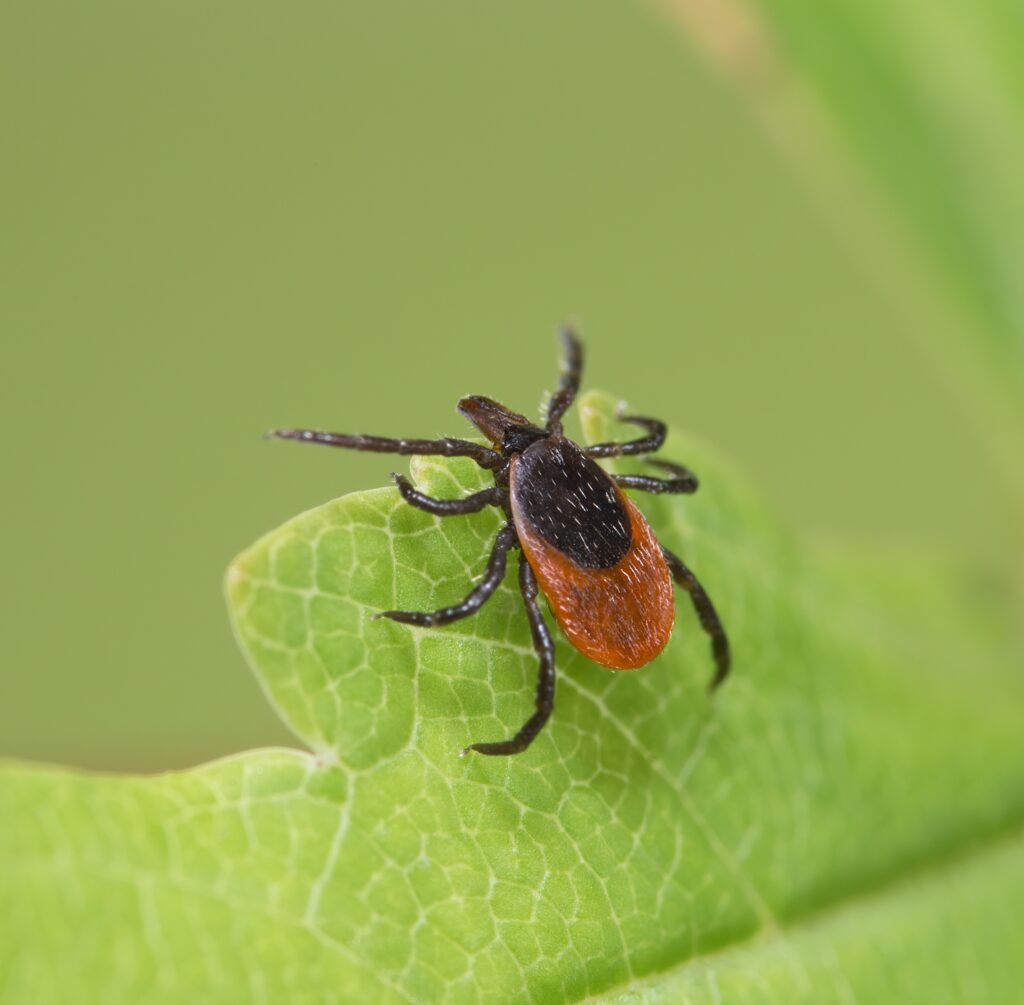
One of the ways that Embers demonstrated persistence was through the use of xenodiagnoses—where uninfected ticks were placed on infected monkeys and then examined for bacteria after feeding to repletion.  Embers was able to demonstrate persistence in this manner.  However, the study then raised the question whether these harvested bacteria were pathogenic—meaning do they cause disease. Embers suggested that this could be demonstrated by allowing the ticks that had fed on infected monkeys to feed on uninfected monkeys and then determining first, whether the ticks transmit the bacteria to the uninfected monkeys and, second, whether these monkeys developed the type of pathology that the monkeys in this study developed (heart impairment, etc.)  This is the next question that Embers wants to pursue.

However, the first question—whether ticks infected through xenodiagnoses can infect other animals—has been answered in the mouse model by Barthold and colleagues.  The Barthold study found that the ticks were able to transmit the bacteria to uninfected mice. As for whether the transmitted bacteria are pathogenic (that is, cause disease), these studies remain to be done.

One of the downsides to animal model studies is that we cannot ask the animal how it is feeling.  The ability of humans to verbally report symptoms is an important piece of clinical information that animals cannot supply and, for now need to be the guiding principal in determining treatment.

This article is part of a series of reviewing the Embers findings for treatment of chronic and early disseminated Lyme disease as well as the effectiveness of the C6 antibody test. You can find these other posts here:

Part 1–New study shows Lyme persists in monkeys

Part 2–Treatment and Persistence

Part 3–IDSA 28-day treatment protocol fails to clear infection

Part 4–Lab tests fail to detect Lyme disease

Part 5–Of mice and men and monkeys

Read the journal article here.

References:

Embers ME, Barthold SW, Borda JT, Bowers L, Doyle L, Hodzic E, et al. Persistence of Borrelia burgdorferi in Rhesus Macaques following Antibiotic Treatment of Disseminated Infection. PLoS ONE. 2012;7(1):e29914.

Wormser GP, Dattwyler RJ, Shapiro ED, Halperin JJ, Steere AC, Klempner MS, et al. The clinical assessment, treatment, and prevention of lyme disease, human granulocytic anaplasmosis, and babesiosis: clinical practice guidelines by the Infectious Diseases Society of America. Clin Infect Dis. 2006 Nov 1;43(9):1089-134

Barthold SW, Hodzic E, Imai DM, Feng S, Yang X, Luft BJ. Ineffectiveness of tigecycline against persistent Borrelia burgdorferi. Antimicrobial agents and chemotherapy.  Feb;54(2):643-51.

The LYME POLICY WONK blog is written by Lorraine Johnson, JD, MBA, who is the Chief Executive Officer of LymeDisease.org, formerly CALDA. Contact her at lbjohnson@lymedisease.org.

Similar Posts

  • LYMEPOLICYWONK: Antibiotic Resistance—Holy Cow, It’s the Beef!

    Antibiotic resistant infections killed more than 65,000 people in the US in 2009. But 70% of antibiotics, which can make animals grow faster, went to cows, chickens and pigs last year. Antibiotics in livestock provide a breeding ground for antibiotic resistant infections that can be passed on to humans. According to a recent AP article, animal fed antibiotics “can develop germs that are immune to the antibiotics. The germs then rub into scratches on farmworkers' arms, causing oozing infections. They blow into neighboring communities in dust clouds, run off into lakes and rivers during heavy rains, and are sliced into roasts, chops and hocks and sent to our dinner tables.”

  • |

    LYMEPOLICYWONK: Lyme Vaccinations: Safety First

    Dr. Stricker and I published a letter to the editor on Lyme vaccines in Lancet. The letter responds to an article by employees of Baxter, which has a vaccine in development. The article by Baxter employees in support of a new vaccine was published with an editorial by Dr. Lantos, the new Lyme spokesman for the IDSA. Both the Baxter article and the Lantos editorial make short shrift of patient vaccine safety concerns, which Lantos describes as “largely unsubstantiated”. Dr. Stricker and I note that the first vaccines sparked a class action lawsuit from patients harmed by the vaccines. In the end, of course, the vaccine was pulled by the manufacturer. We note that “by withdrawing LYMErix when it did, the manufacturer avoided releasing phase 4 post-marketing data that probably would have shown increased side-effects related to the vaccine. The data have never been disclosed.” We conclude that given this sketchy past, any new vaccine will need to be forthright about safety issues. The dismissive attitude toward patient safety reflected in the Baxter article and the Lantos editorial serve only to increase patient distrust. Because vaccinations are given to a healthy population, our first priority is to make sure they are safe. Our letter to the editor is available open access for readers.

  • Chronic Lyme Disease and the “Axis of Evil”

    A recent publication authored by Feder and correspondence to that publication defined the 'Axis of Evil' in this controversy as physicians who treat patients with needlessly prolonged courses of antibiotics, 'specialty laboratories' that perform 'inaccurate' Lyme testing and the internet, which promotes 'Lyme hysteria'. Dr. Stricker and I published a counter article taking on each of the three elements of the "Axis of Evil", one by one (Future Microbiology, Volume 3, Number 6, December 2008 , pp. 621-624(4)). While this version of the article is available on Pub Med, the full version (which contains footnotes) is available for purchase by the publisher Future Science .

  • LYMEPOLICYWONK: Bogus Grassroots Groups – Who’s Who and What’s What with the American Lyme Disease Foundation (ALDF)

    It’s easy to get confused. You have the “Lyme Disease Foundation” (LDF), and you have the “American Lyme Disease Foundation” (ALDF). They both sound like patient advocacy organizations, but they are not. Welcome to the world of astroturf organizations—false grass roots organizations where names are intended to sound alike and offer no hint of special interests behind them. Until its recent demise, the LDF was a patient organization that was founded in 1988. And, the ALDF? Well, the ALDF was founded in 1994. It is a stealth front group for the Infectious Diseases Society of America (IDSA). Stealth front groups are seemingly independent third-party organization designed to deceive audiences as to the sponsor’s actual intentions.

  • LYMEPOLICYWONK: What Will It Be, Peer Review or Censorship: New Tick Borne Disease Journal

    What are we to make of the recently launched journal “Ticks and Tick-Borne Diseases” that includes on its editorial board five members of the IDSA Lyme guidelines panel? Dr. Wormser, who chaired the IDSA Lyme guidelines panel, is an associate editor of the journal. Do you think that they might have a bias or might exclude others points of view? If so, is this peer review or is it censorship?

  • LYMEPOLICYWONK: Speaking Truth to Power: Dr. Liegner Lays it Out for the IOM

    Dr. Liegner has been in the trenches a long time treating Lyme disease. He was working side by side in the early days with government scientists when they were curious and truly interested in learning something about this disease, before dogma took the place of science. Yesterday, he told the IOM how it is for Lyme patients, treating physicians, and researchers in this environment of fear, suppression, intimidation, indifference, and silence: "Physicians who have cared for persons with chronic Lyme disease have faced harassment at a minimum and for some, their careers have been ruined. Researchers who have seriously dedicated themselves to the scientific study of chronic Lyme disease in humans and/or animals have often found themselves attacked or marginalized. To persist in their researches would have resulted in virtual career suicide and some have been forced, by exigencies of survival, to leave the field." He also points out how the IOM feeds into this by allowing Dr. Wormser to speak unopposed and not permitting ILADS physicians an opportunity to speak: “The process of planning the meeting has been, as far as I can tell, quite opaque and it is notable that clinicians who actually treat persons with chronic Lyme disease have been nowhere to be found on either the planning committee or the panel. Neither is any clinician afforded adequate time to present, in a formal way, an opposing position to what must be viewed as the “keynote” speech by Dr. Wormser. Dr. Wormser’s extreme view on the existence of the entity of chronic Lyme disease needs no repeating but does need rebuttal.” His full letter follows the leap. . .