
LYMEPOLICYWONK: LymeDisease.org launches new patient survey on the Impact and Cost of Lyme Disease.

|
February 12, 2013

To participate in this survey, click here.
Communicating the costs of Lyme disease to the patient, the immediate family, the community and, ultimately, the nation increases the pressure for Lyme disease healthcare reform. To accomplish this, we conduct nationwide surveys to provide policy makers information vital to healthcare policy in Lyme disease. Our goal is to open the space for conversations in the public health arena about what is really going on with Lyme patients from their perspective. We are trying to give voice to the patient community, which is all too often completely ignored in conversations about Lyme disease.
Our new survey focuses on the economic cost associated with chronic Lyme Disease and the quality of life impact of Lyme disease.
- Take the Impact and Cost of Lyme Disease survey.
- Read the Lyme Policy Wonk blog summary of the results of the Healthcare Access and Burden of Care Survey.
- Watch a presentation of the findings of the Healthcare Access and Burden of Care Survey by LymeDisease.org CEO, Lorraine Johnson, JD, MBA at the forum hosted by US Congressman Gibson in New York on May 21, 2012 or read of Lyme Policy Wonk blog summary of the presentation.
- Sign up, if you would like to receive information on our surveys.
The LYME POLICY WONK blog is written by Lorraine Johnson, JD, MBA, who is the Chief Executive Officer of LymeDisease.org, formerly CALDA. Contact her at lbjohnson@lymedisease.org.
Written by
Do You Have Lyme Disease?
Use our symptom checklist to better understand possible Lyme disease signs and next steps.
Newsletter Sign-up
Helpful Resources
Support LymeDisease.org
Your support helps us advocate for patients and fund critical Lyme disease research.
Related Articles
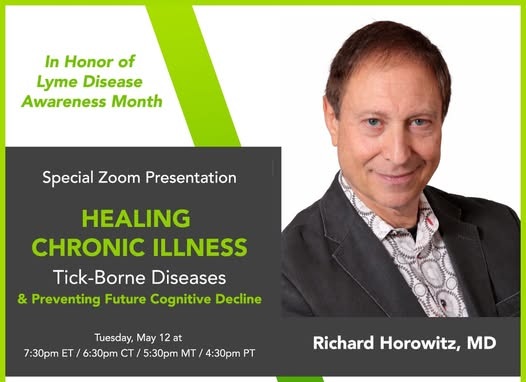
Watch Dr. Horowitz’s “save your brain” webinar here
Experts estimate that 42% of people over age 55 will develop some form of dementia during their lifetime. Dr. Richard Horowitz has an important message…

Is there a link between Lyme disease and alpha‑gal syndrome?
By Meg Muckenhoupt A new study by Cleveland Clinic researchers shows a strong link between Lyme disease and alpha-gal sensitization. In this context, sensitization means…

When chronic Lyme shapes a life and the music that comes from it
Artistry with Heart is a podcast devoted to the inner life of artists — the doubts, the breakthroughs, the healing, and the deeply human stories…

PODCAST: Chronic pain doesn’t have to win. Try this instead.
By Fred Diamond Wendi Lindenmuth says that healing from Lyme disease begins not with fighting the body but with resolving to listen to it. That’s…
One Lyme drug didn’t pan out, but a better option is on the horizon
Back in 2021, the Lyme community was buzzing about a potential new treatment called hygromycin A. It came out of Dr. Kim Lewis’s lab at…
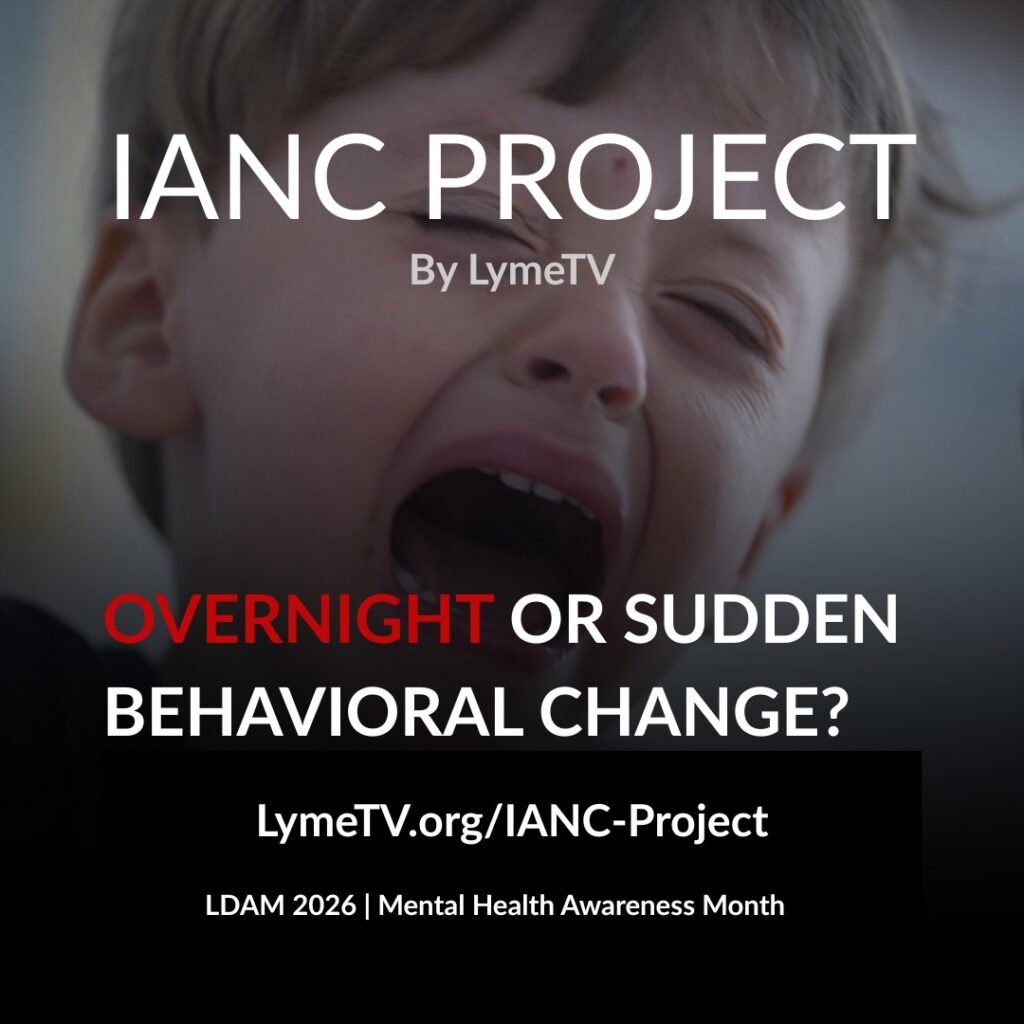
Did your child’s behavior change overnight? LymeTV tackles PANS/PANDAS
By Team LymeTV Imagine your child goes to sleep one night and wakes up a different person. The vibrant, curious child you knew is suddenly…