LYMEPOLICYWONK: Ticks Transmit a World of Disease and Co-infections Into the Lives of Lyme Patients

|
September 18, 2014
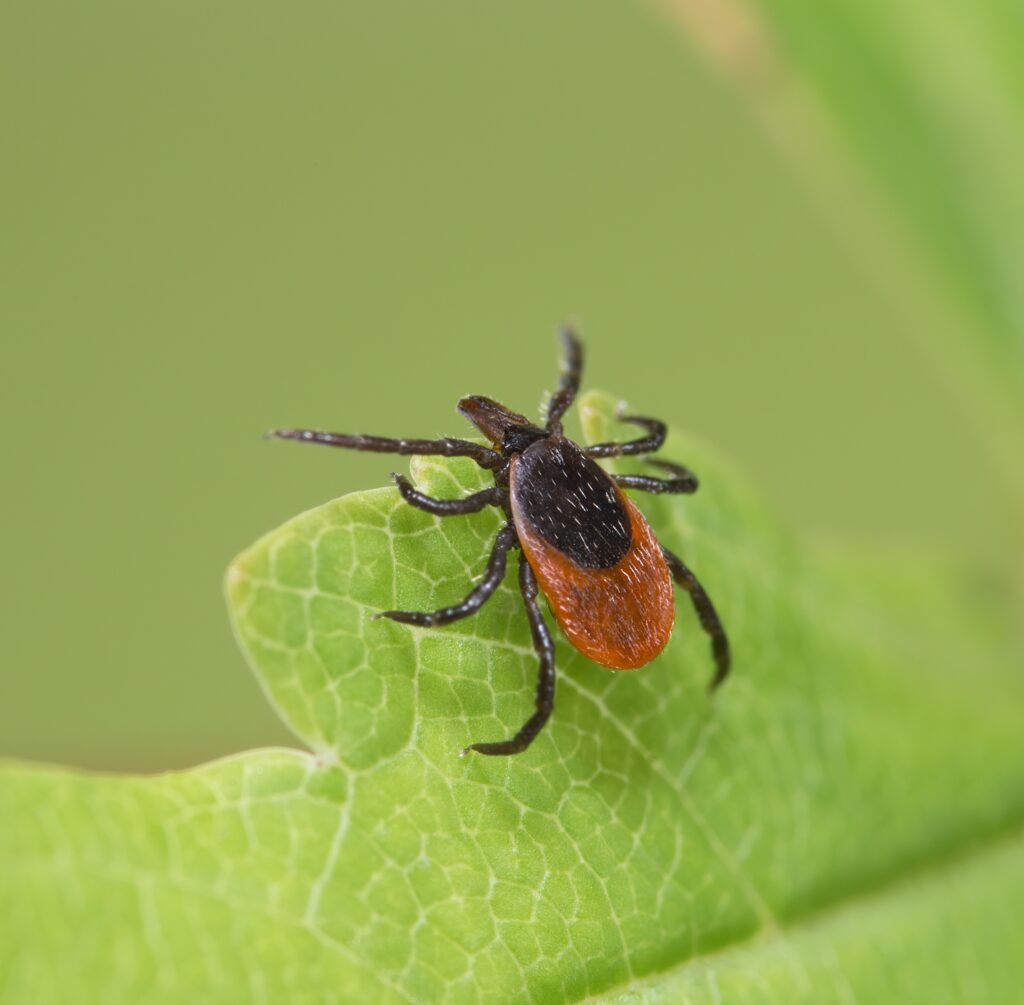
In the study, researchers collected local ticks and allowed them to feed on laboratory rats that had been bred in captivity and were free of disease. Afterward, they examined the ticks and the rats for bacteria believed to cause disease. Findings? The ticks contained 373 types of bacteria and had transmitted 237 to the rats. The authors concluded there is “unambiguous evidence that there are as-yet unidentified pathogens associated with ticks [which] increases the risk of multiple infections in humans, [leading] to more severe clinical manifestations.”
Since the discovery of the Lyme bacteria Borrelia burgdorferi in 1981, researchers have identified more than 15 additional tick-borne bacteria. For instance, it wasn’t until 2011 that Borrelia miyamotoi was first identified and recognized as a cause of disease by the CDC. Heartland virus was first identified by the CDC in 2014.
A single bite can transmit multiple tick-borne diseases or a victim may be co-infected through multiple tick bites from multiple ticks. According to a study of patients in Connecticut and Minnesota, 20% of patients with Lyme disease also showed evidence of a co-infection. LDo’s own recently published survey of over 3,000 patients with chronic Lyme found over 50% had at least one co-infection and 30% had two or more co-infections.
The most common co-infections in the LDo study were Babesia (32%), Bartonella (28%), and Ehrlichia (15%) while a study by Dr. Janet Sperling in Canada found that the most common were Bartonella (36%), Babesia (19%), and Anaplasma (13%).
 [Rate of co-infections in over 3,000 patients surveyed with chronic Lyme disease. Johnson et al 2014]
All reported tickborne diseases have increased significantly over time according to the Institute of Medicine. Between 1992 and 2006, the incidence of Lyme disease increased 101%. Between 2000 and 2008, the incidence of Rocky Mountain Spotted Fever (RMSF) shot up over 400%. Between 2000 and 2007, the incidence of anaplasmosis rose by 275%, while the incidence of ehrlichiosis increased by more than 100%.
Many tick-borne diseases do not have distinctive symptoms and for some pathogens, diagnostic tests do not even exist. The chart below lists selected co-infections, the date they were discovered, whether they have characteristic symptoms, and whether there is a diagnostic test yet available.
 *Derived primarily from a recent study by Dr. Ellen Tijsse Klasen and colleagues.
Many co-infections threaten more than just the tick host. For example, Babesia can be passed from mother to unborn child and by transfusion. A recent CDC article reveals that the percentage of ticks infected with Babesia in Maine increased from 29% in 1995 to 60% in 2011. A similar study in New York showed that the Babesia co-infection rate was twice as high as previously thought. This increase in infection rates puts residents, babies, and the blood supply at greater risk.
This may be just the tip of the iceberg. As the Chinese study indicates, ticks carry a staggering number of pathogens, many of which have not yet been identified. So what’s keeping Lyme patients sick? What’s getting at you? Maybe it’s not this or that, but a toxic stew of pathogens—identified or not, keeping you down.
The LYME POLICY WONK blog is written by Lorraine Johnson, JD, MBA, who is the Chief Executive Officer of LymeDisease.org, formerly CALDA. Contact her at lbjohnson@lymedisease.org. On Twitter, follow me @lymepolicywonk.
Do You Have Lyme Disease?
Use our symptom checklist to better understand possible Lyme disease signs and next steps.
Newsletter Sign-up
Helpful Resources
Support LymeDisease.org
Your support helps us advocate for patients and fund critical Lyme disease research.