This is one of a series of guest blogs by people who have enrolled in MyLymeData.
by Catherine Fox
Five years ago, I was enjoying fulfilling full-time work and a busy lifestyle when I began to notice I was unusually tired. Bothersome pain came and went in some of my joints. And I wondered,
• Is this this what it’s like turning 50?
• Isn’t it early to be getting arthritis in my left foot and both knees?
Then, on a vacation to Paris, the exhaustion deepened and an overall sickly feeling hit me. Jetlag, I figured, pushing myself along as my partner and I explored the City of Lights.
But the sick feeling just wouldn’t quit. Back home, my health entered a crazy roller-coaster phase, up and down but increasingly down.
As I crept to the offices of a rheumatologist and a neurologist, I assumed that relief was right around the corner, and that they could explain and treat the incredible pain and other symptoms becoming more intense every day.
In the end, blood tests and a spinal tap offered no clues. Sticking needles into my legs provided no answers to my severe muscle weakness, ruling out MS.
A brain scan ruled out “brain tumor” on the list of possible causes for my central nervous system issues. A couple of small lesions were normal for my age, they said. I wondered,
I’d been bitten by a tick and had a rash and flu-like symptoms some months before. My primary care provider had stopped antibiotics when my blood test came back negative. Yet as more testing ruled out more things, I wondered,
• Why did the doctors agree I did not have Lyme, yet they couldn’t find anything else wrong with me?
When I told the neurologist I was thinking about seeing about a doctor I’d heard was treating Lyme patients with success, he shook his head vigorously.
“No, no,” he said. “Those people are Lyme crazies, stay away from them!” Another question:
• Why was he labeling other doctors in such an insulting way when they were helping patients get better?
I said to him, “With all due respect, since you can’t find anything wrong with me…
• …where can I go next for help? Mayo? Johns Hopkins?”
“See a psychiatrist,” he said.
Despite all this naysaying by lauded doctors, my gut told me that the tick bite had started this downhill slide.
But the more I read on the web, the more questions I had. There were conflicting answers. Or no answers at all.
• How come the nurse practitioner I’d trusted with my health for 18 years had stopped my antibiotics despite my tick, rash, and other symptoms of Lyme disease?
• Why didn’t a single one of these health experts know that Lyme testing is not reliable?
• How does one find a doctor who does know about diseases transmitted by ticks?
• Why in the world would the Infectious Disease Society of America (IDSA) say Lyme infection is cured by two weeks of antibiotics, while the International Lyme and Associated Diseases Society (ILADS) says Lyme can be chronic and can be successfully treated with long-term antibiotics?
And, of course,
• Why the hell am I on my own trying to figure out my health crisis when I’m so sick I can barely walk or even hold my head up?
Next I sought out the best local infectious disease doctor, who treated me with oral antibiotics, then with a month of IV antibiotics, based on my symptoms.
The latter gave me some improvement, yet he wouldn’t go any further with treatment. That’s when I became aware that many doctors going beyond the IDSA guidelines of two weeks were being persecuted and prosecuted by medical boards. It seems insane.
• How could doctors be losing their licenses for helping suffering people who have found no help elsewhere?
By the time I reached the Lyme Literate doctor (LLMD) who would diagnose and help me, I was disabled by more than a dozen symptoms, including overall body pain, joint pain, fatigue, and severe cognitive impairment.
I wept when I realized I was finally sitting in front of a doctor who was listening to me with compassion, a doctor who believed me and said he could help me get better.
By this time I was housebound and often bedridden. Treatment was tough. I was shocked by the isolation, the lack of support. Which brought up more questions.
• Why aren’t there Lyme centers like cancer centers, where I could go for everything from pain management to counseling to physical therapy?
• Why don’t pain meds help me with the staggering 24/7 pain?
• Why is it that even a Lyme Literate doctor (LLMD) couldn’t answer questions that seemed so basic, like how long it would take me to feel better?
I am certain that long-term antibiotic treatment saved my life, and I’m so much better than I was, if still disabled. Nonetheless, I’ve still got a long list of questions.
• Will I get to remission and get my life back completely?
• Just how many people have chronic Lyme in the US and around the globe?
• Why do doctors insist there’s no Lyme in many places—despite the fact that many patients report becoming infected?
• How many are misdiagnosed with other illnesses when they’ve been infected by a tick bite and could be getting better with proper treatment?
• Why do some infected people get sicker than others?
• What’s the best treatment for other dangerous illnesses caused by ticks like Babesia and Bartonella?
• Why isn’t there one treatment protocol that works for everyone?
• How can many insurance companies get away with denying coverage for Lyme treatment?
And, one of the most fundamental questions of all,
• How can the Infectious Disease Society of America (IDSA), which holds sway as the authority on infectious disease for not just the U.S. but for many health care providers and decision makers around the world, continue to say infection does not continue after short-term antibiotic treatment?
Lymedisease.org president Lorraine Johnson notes that LDo’s new research project MyLymeData is the chance for thousands of patients to pool their data to help further the cause of Lyme disease research.
What a fantastic opportunity! I hope hundreds of thousands of people like me will share their information. MyLymeData will only be as good as patients choose to make it.
Researchers can’t research without data, and funding is sorely lacking when it comes to Lyme research.
So a big question of the moment is,
• How many of us will take a little time to give the unique treatment experiences and testing results that only we can offer?
To do my part in finding a cure, I’ve started to share my tests with the project. It’s significant new efforts like this study that give me confidence.
Despite the naysayers, I’m going to have those answers I’ve been seeking. Those answers we’ve all be desperately seeking that will bring a cure and stop the suffering.
Click here for more information about MyLymeData.
.
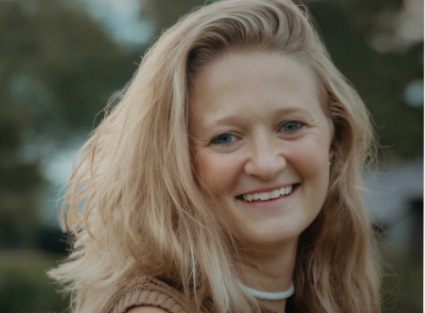
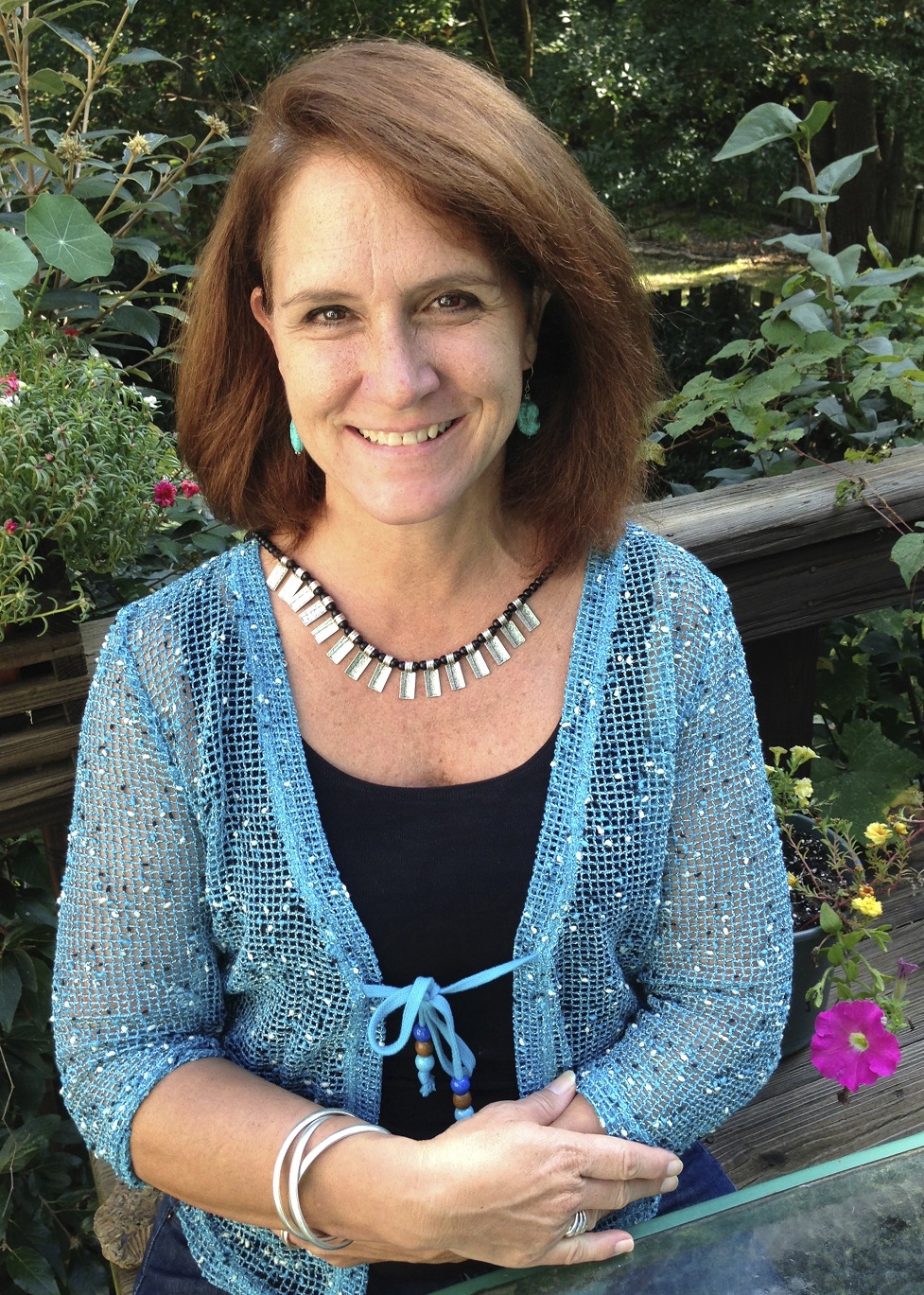
Sidelined for the past five years with Lyme, freelance writer Catherine Clarke Fox blogs about her experiences at LifeLoveLyme.com. Splitting her time between Virginia and Maryland on the Chesapeake Bay, she says she’s healing thanks to antibiotic treatment and the restful peace she finds in the blissfully tick-free environment aboard sailboats.

Contributing Author
Do You Have Lyme Disease?
Use our symptom checklist to better understand possible Lyme disease signs and next steps.
Newsletter Sign-up
Helpful Resources
Support LymeDisease.org
Your support helps us advocate for patients and fund critical Lyme disease research.