2019 MyLymeData Chart Book released

April 30, 2019
We are pleased to present the 2019 Chart Book for the MyLymeData patient registry. MyLymeData has enrolled over 12,000 participants and is currently among the top 5% of patient registries in the nation.
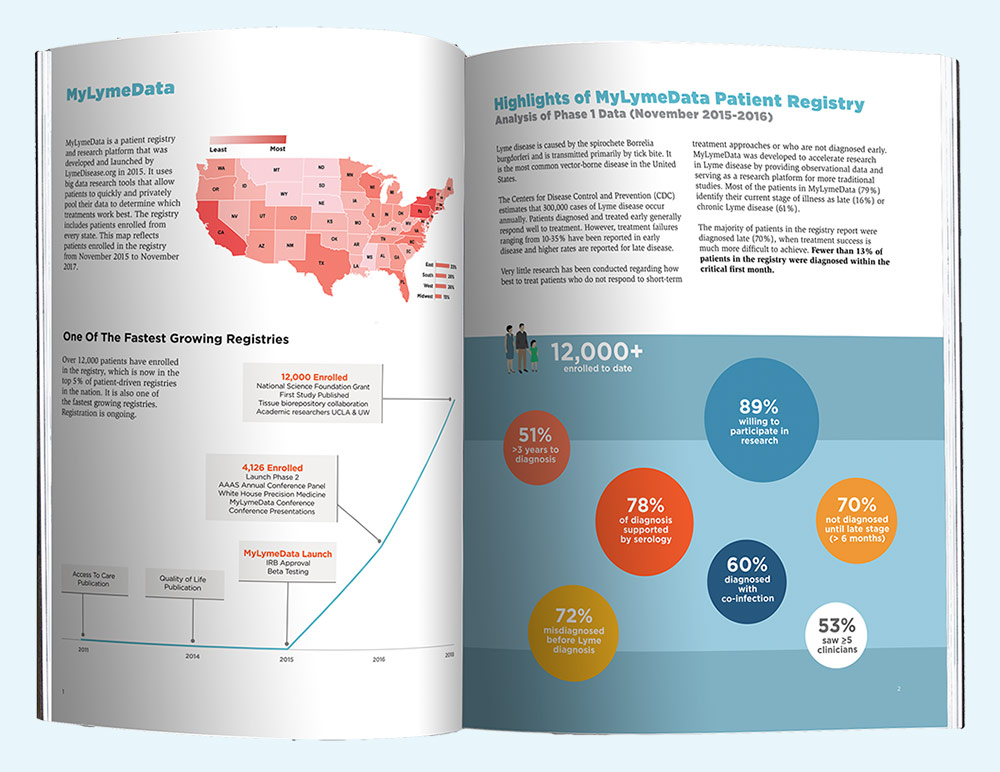
Download Your 36 page full color
2019 MyLymeData Chart Book
Capturing information about patients with chronic Lyme disease that was previously unknown.
The focus of the report is on the 3,903 patients who were enrolled during the first year of the registry. The report captures a lot of information about patients with chronic Lyme disease that was previously unknown. This is largely because real world data about patients with chronic Lyme disease has not been collected or analyzed. We have prepared a brief video of the Highlights which you can watch by clicking the link below.
MyLymeData Highlights Presentation by Lorraine Johnson, JD, MBA
Some of the information in the report may help explain why some patients are more likely to develop chronic Lyme disease in the first place. For example, did you know that:
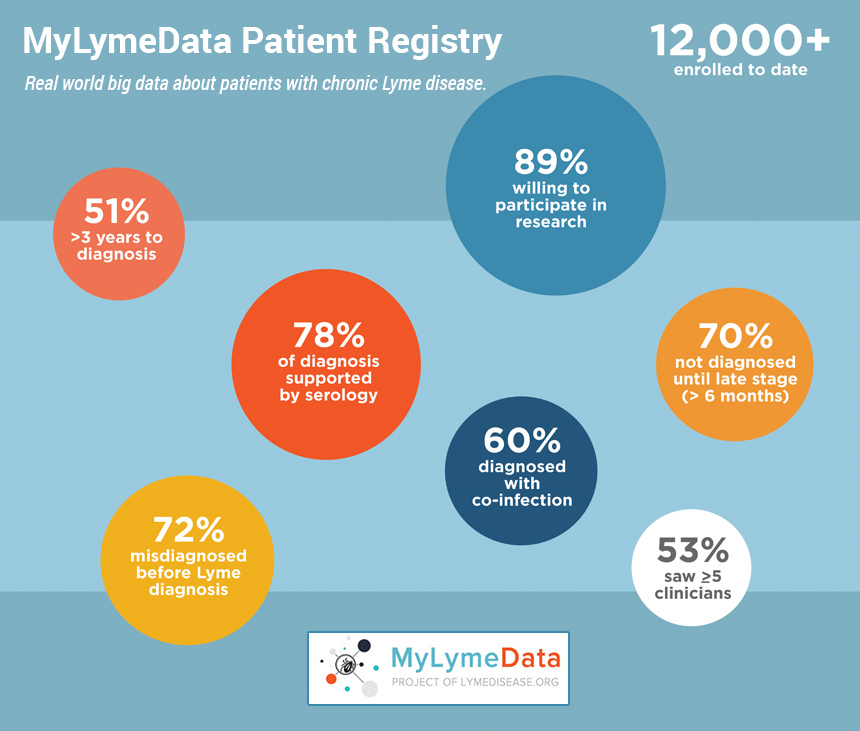
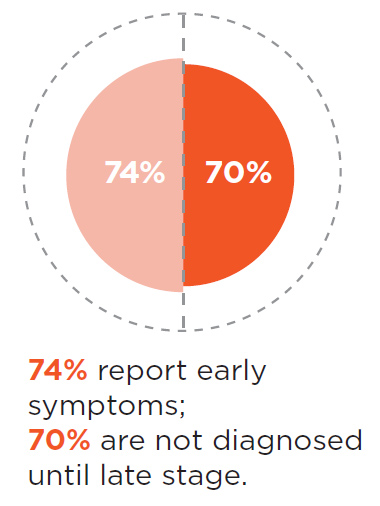
- 70% of those in the registry were not diagnosed until six months or more following the onset of their symptoms.
Most patients take three or more years to diagnosis and see five or more clinicians. Studies show that patients diagnosed late are less responsive to short-term antibiotic treatment. - Fewer than 12% of patients in the registry were diagnosed within the critical first month. Most patients who are diagnosed and treated early respond well to short term treatment protocols.
- 74% reported early symptoms of the disease, but only 34% recall having the distinctive erythema migrans rash (EM) commonly relied on by physicians for diagnosis. More common early symptoms were flu-like symptoms (64%) and severe head-ache or stiff neck (44%). Patients who do not have an EM rash are more likely to be misdiagnosed.
- 60% report that they have been diagnosed with an additional tick-borne infection, such as Babesia or Ehrlichia. The presence of co-infections may increase the likelihood of developing chronic Lyme disease.
- 72% of patients with chronic Lyme disease report that they were initially misdiagnosed with another condition. Patients misdiagnosed with another condition experience diagnostic delays and may be exposed to adverse effects from treatments for diseases that they do not have.
Patients aren’t diagnosed and treated soon enough
Although early antibiotic treatment failures occur too often (ranging from 10-35% depending on the study), the larger problem is that too many patients aren’t diagnosed and treated soon enough. Seventy percent of patients with late or chronic Lyme disease in the registry are not diagnosed until six months or more after symptom onset. Yet, no one has researched the best way to treat this population. Protocols developed for acute disease do not appear to be effective. We need better treatments for late-stage, untreated Lyme disease.
Only 12% of patients in the registry were diagnosed within the critical first month. Patients who are not diagnosed early often develop serious, chronic symptoms such as cognitive impairment, severe joint pain, headache, and fatigue.
It’s critical to identify why Lyme disease patients are not being diagnosed early, to shorten the time to diagnosis and to develop better treatments for patients diagnosed late.
Download The 2019 MyLymeData Chart Book
We invite you to download and review the chart book.
We are deeply grateful to everyone who has supported this work—particularly the patients with Lyme disease who make this work possible by generously sharing their information.
If you are a patient who is not enrolled in MyLymeData, please enroll today. If you are a researcher who wants to collaborate with us, please contact me directly.
The MyLymeData Viz Blog is written by Lorraine Johnson, JD, MBA, who is the Chief Executive Officer of LymeDisease.org and the Principal Investigator for MyLymeData. You can contact her at lbjohnson@lymedisease.org. On X, follow her @lymepolicywonk.

About MyLymeData Lyme Disease Research
MyLymeData is one of the largest patient-driven registries in the nation, with tens of thousands of patients enrolled. It was created by patients, is run by patients and will address the issues that Lyme disease patients care about. MyLymeData Viz provides the community with results from MyLymeData. If you are enrolled in MyLymeData, we thank you for providing the data that will accelerate the pace of research in Lyme disease. If you are not enrolled, please enroll today.