
It’s about time! IDSA Lyme hearing speech limits
LymeDisease.org is conducting a new survey regarding the Impact and Cost of Lyme Disease. We need your participation! Our survey on Access to Care and Burden of Illness drew over 4,000 responses and turned out to be the largest survey of Lyme patients ever conducted in the United States. The survey revealed that 65% have had to cut back or quit work or school and 25% have been on disability. The results were published in a major peer-reviewed journal, Health Policy and used as the basis for a presentation by Lorraine Johnson, JD, MBA at Congressman Gibson’s forum in New York last year. The new survey continues this work and looks at the economic and quality of life impact of Lyme disease.
CALDA CEO Lorraine Johnson is now in Washington DC, prepared to testify at Thursday's historic hearing before the IDSA Lyme guidelines panel. Included in her report will be results from some 3500 surveys submitted by Lyme patients in recent weeks. From now through Thursday, please refer to our "IDSA Hearing" blog for latest developments.
I have summarized the public comments made at the IOM hearing today. I intend to post the statements made by those speaking to the panel that are provided to me. Those who spoke included Pat Smith of the national Lyme Disease Assn., Diane Blanchard and Ann Lyons of Time for Lyme, Gregg Skall of National Capital, Helene Jargensen, author of Sick and Tired, Candy Brassard of the EPA, Rick Smith, Bob Smith, and Julia Rice, a former nurse. Others listed to speak who did not attend were Arthur Weinstein, Phil Baker, and Lynn Shepler.
The IDSA is expected to extend the time period for document submissions to the 24th of April. Jennifer Padberg expects to post a new calendar of events early next week, at which time she also expects the application process for presenters to be opened. The presentation date will likely be pushed until summer. Presenters will be selected by the IDSA, the ombudsman, and the Connecticut Attorney General. ILADS-affiliated speakers will be permitted an equal amount of time for presentations. I will post more news as it becomes available.
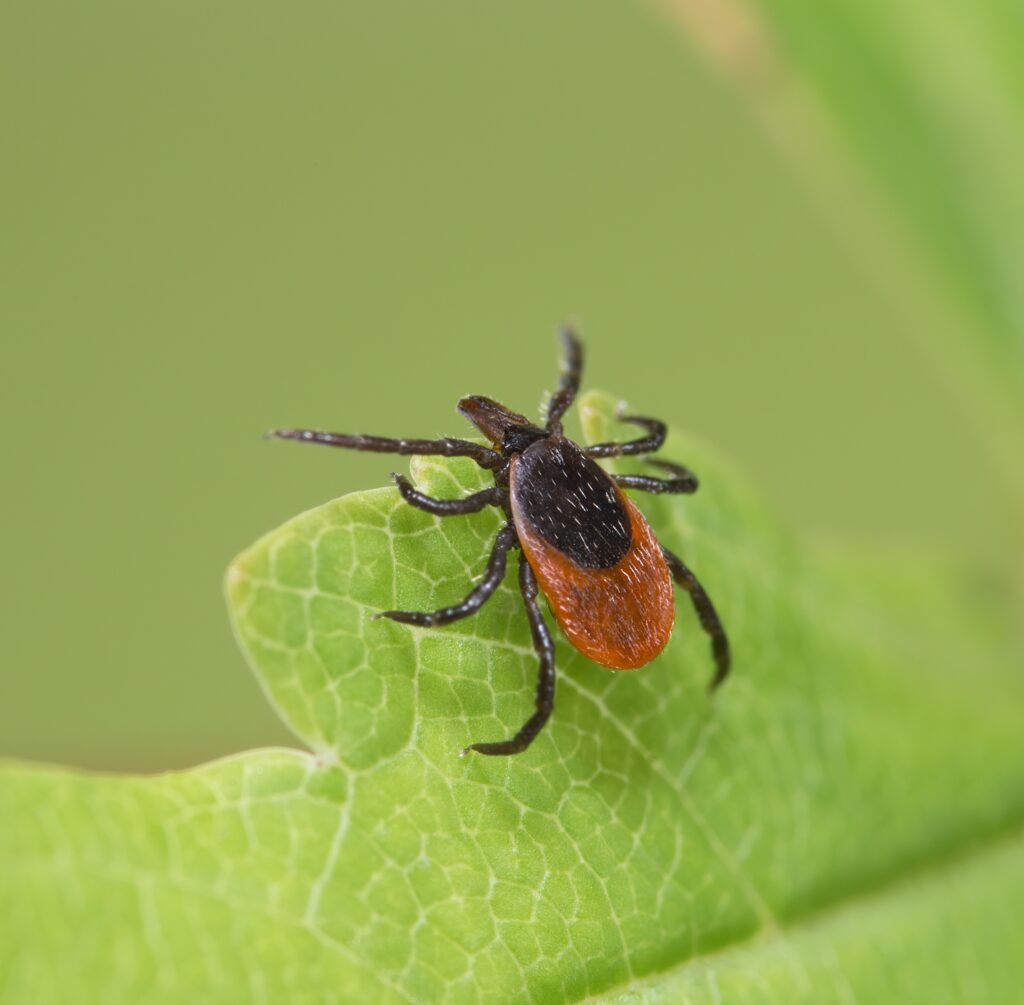
We recently received a response from the NIH regarding our concerns about the NIH tick feeding study and the risk of tickborne infections from the larval ticks that researchers intend to place on patients to feed. We have written the NIH about this several times. Our latest letter focused on the newly identified pathogen, Borrelia miyamotoi, which can be transmitted to larval ticks through the mother's eggs. We asked the NIH to tell us what bacteria they test for in the larval ticks to ensure that patients in the study are not at risk. According to the NIH, the following pathogens are screened for: Borrelia burgdorferi, Babesia microti, Anaplasma phagocytophilum, Borrelia miyamotoi, Bartonella spp, Rickettsia sp., deer tick viruses and orbiviruses. We are glad to see that these pathogens are being screened for but remain concerned that unidentified pathogens nevertheless place patients at risk in the study.
I recently submitted a projected cost of illness analysis for Lyme disease to the federal…