
Rickettsia
Symptoms, Diagnosis and Treatment
Rickettsia is a group of bacteria transmitted by ticks, fleas, and mites that can cause serious infections.

Rickettsial Infections Can Mimic Other Illnesses
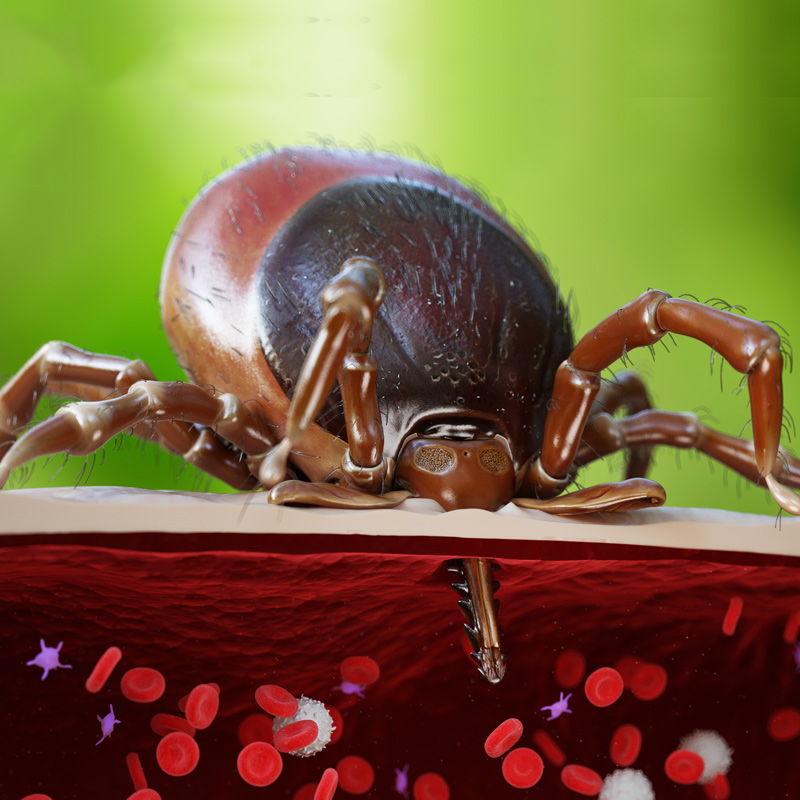
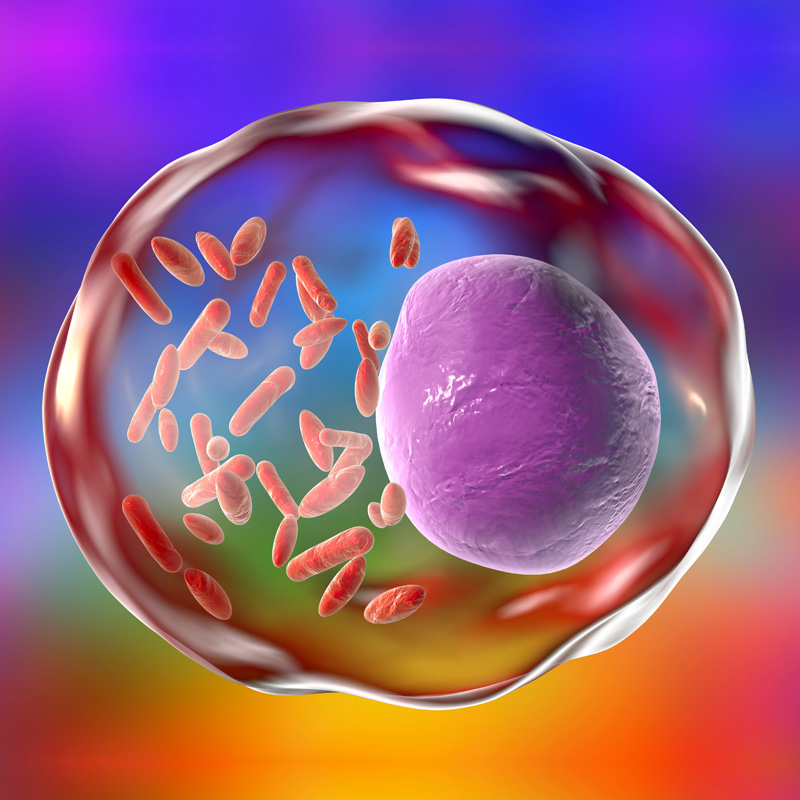
Rickettsial infections are illnesses caused by Rickettsia bacteria, a group of tiny organisms transmitted primarily through tick bites. These infections can range from mild to severe. In the United States, Rocky Mountain spotted fever is the most common rickettsial disease. Although some rickettsial infections can also be spread by fleas, lice, or mites, ticks remain the most frequent source of transmission.
Rickettsial diseases are generally divided into two main groups: the Spotted Fever Group and the Typhus Group. The Spotted Fever Group includes illnesses such as Rocky Mountain spotted fever, Rickettsia parkeri rickettsiosis, and Pacific Coast tick fever — all transmitted by ticks. Common symptoms include fever, headache, rash, and sometimes an eschar, which is a dark scab that forms at the site of the bite.
Rickettsia Symptoms: What to Watch For
Typically, symptoms begin within 2 – 14 days after infection and include:
High fever
Severe headaches
Muscle aches
Gastrointestinal issues (nausea, vomiting, abdominal pain)
Fatigue
Rash — which can be maculopapular (small, raised bumps) or petechial (small red or purple dots)
Rickettsial infections cause symptoms that are nonspecific, meaning they are general signs—like fever, headache, and fatigue—that can occur with many different illnesses. Because these early symptoms don’t clearly point to rickettsia, the infection is often mistaken for the flu, viral infections, or other tick‐borne diseases. This overlap makes rickettsial infections harder to recognize and diagnose early.
In severe cases, additional symptoms can appear, such as:
Confusion or altered mental state
Breathing difficulties
Organ dysfunction (liver, kidneys, or heart)
Rickettsia: How It’s Diagnosed and Treated
Rickettsial infections can be difficult to diagnose early because symptoms resemble many other illnesses. The infection is diagnosed based on a patient’s history of exposure to ticks, mites or lice, and the presence of symptoms, such as fever, headache, muscle aches, and possibly, a rash.
Several laboratory tests include: antibody tests (often only positive after the first week of illness); PCR (polymerase chain reaction), which can detect Rickettsia DNA in blood or tissue samples; and blood tests that may show low platelet count, elevated liver enzymes, or low sodium.

Because some rickettsial infections (such as Rocky Mountain spotted fever) can get worse quickly, doctors often start treatment right away — usually with antibiotics — even before lab tests confirm the infection.
Where Are Rickettsia Infections Found?
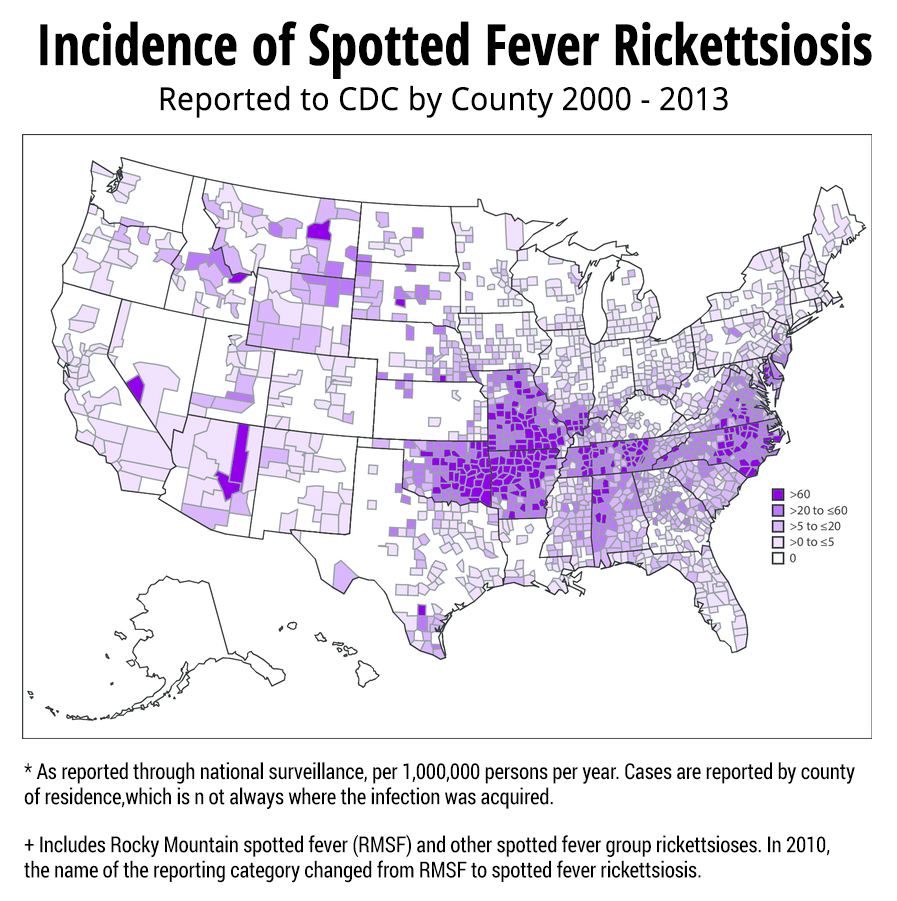
Rickettsia infections have been reported in every state in the U.S., except Alaska and Hawaii (where cases may occur but aren’t officially tracked.)
The majority of cases are reported in the Southeastern and South-Central states, including: North Carolina, Oklahoma, Arkansas, Tennessee and Missouri. Rocky Mountain spotted fever (the most common rickettsia infection) is widespread in those regions.
Ticks That Spread Rickettsial Infections
In the United States, rickettsia infections are primarily transmitted by the:
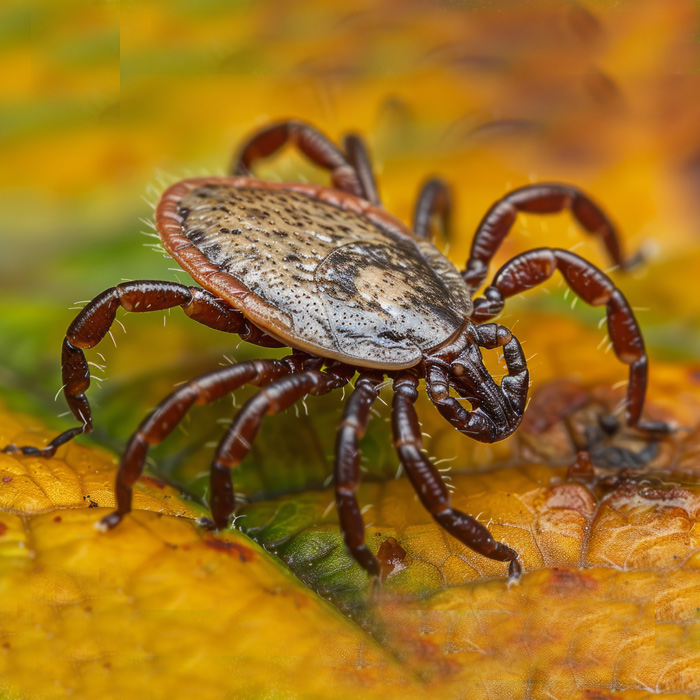
American dog tick (Dermacentor variabilis)
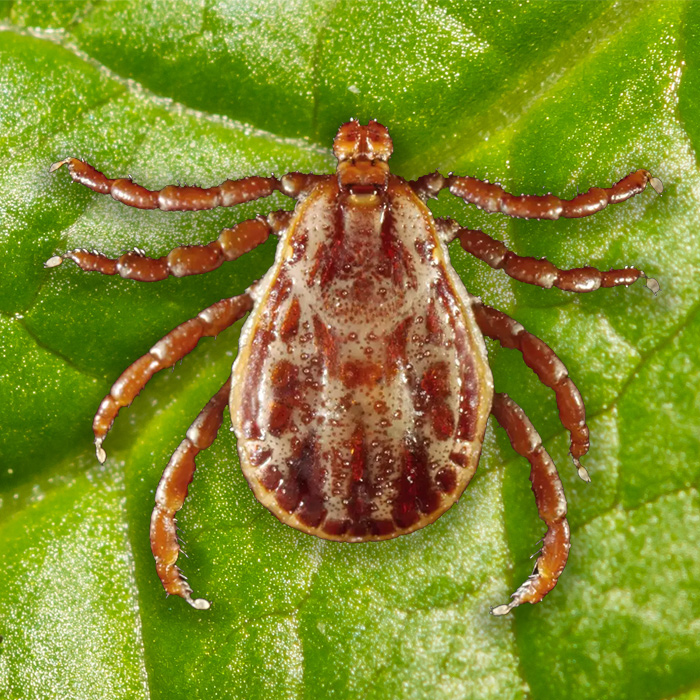
Rocky Mountain wood tick (Dermacentor andersoni)
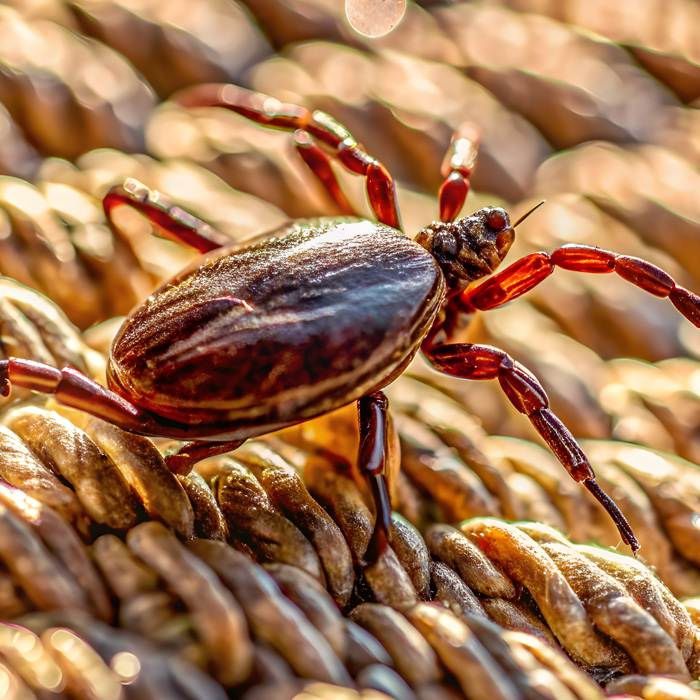
Brown dog tick (Rhipicephalus sanguineus)
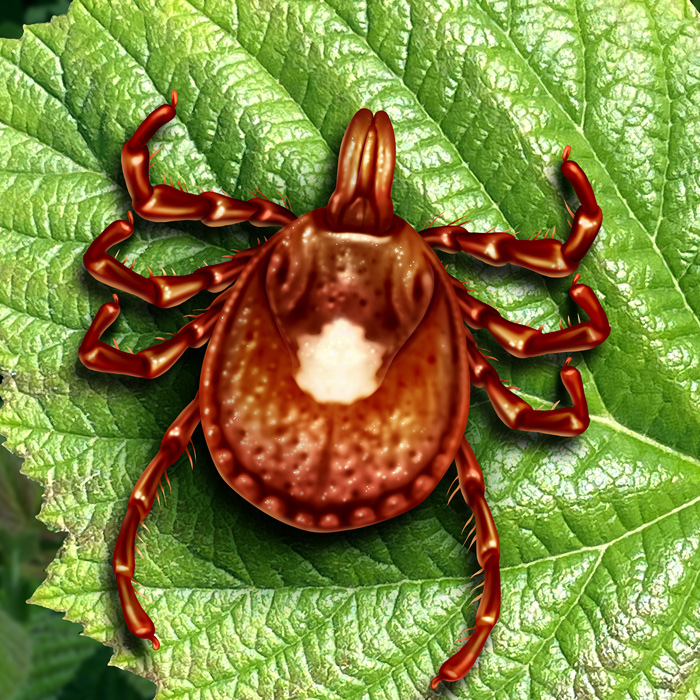
Lone star tick (Amblyomma americanum)
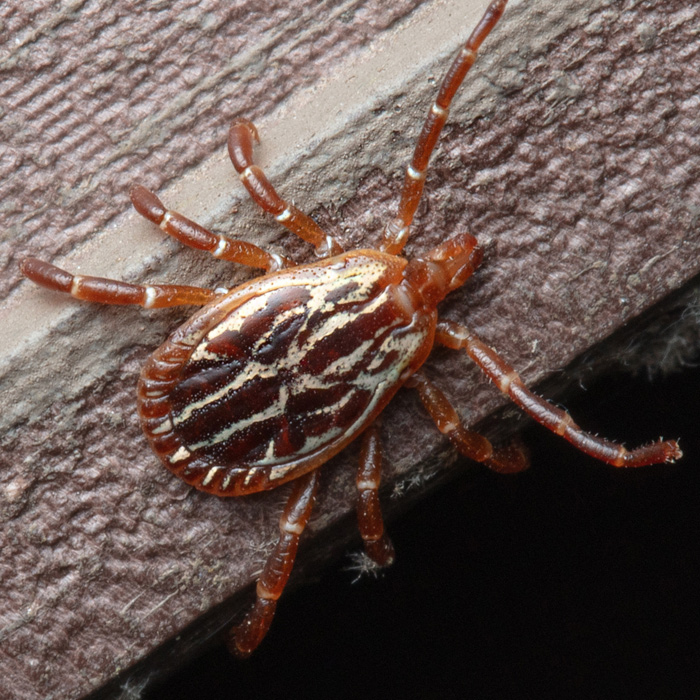
Gulf Coast tick (Amblyomma maculatum)
Note: The information presented on this page has been reviewed and approved by a member of our Medical Leadership Board.