
Bartonella Treatment
Hidden infection, targeted treatment
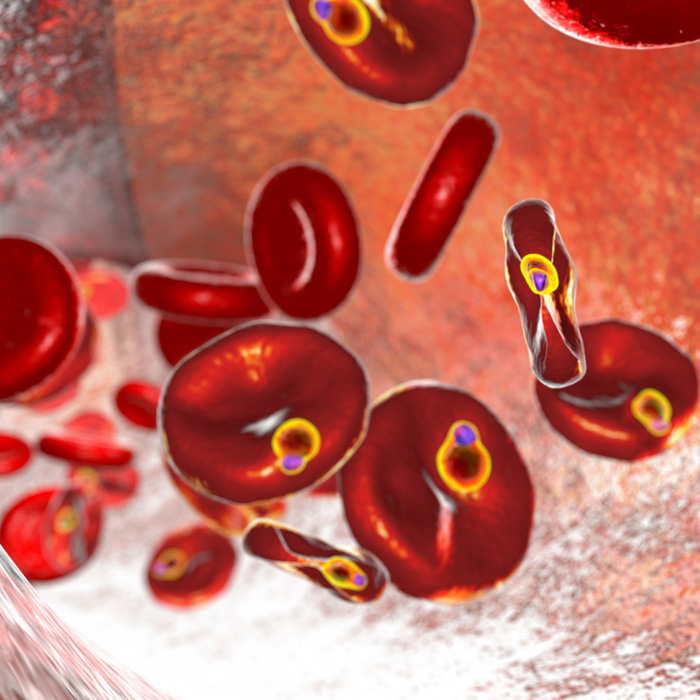
Identifying Bartonella through testing is extremely difficult, since the bacteria can hide in red blood cells and in the lining of blood vessels.

Why Bartonella Diagnosis and Treatment Are So Complex
Diagnosing and treating Bartonella can be challenging because the bacteria are both difficult to detect and hard to eliminate. Bartonella organisms hide inside red blood cells and the lining of blood vessels, allowing them to evade the immune system and making standard laboratory tests less reliable. Symptoms often overlap with other infections, which adds to the complexity. Because of this, accurate diagnosis typically requires specialized testing, and treatment often involves targeted antibiotics and careful medical monitoring.
Bartonella: A Challenging Diagnosis
Bartonella is diagnosed using a combination of symptoms, physical examination, medical history, and laboratory testing. However, detecting the infection through testing alone can be difficult. Since Bartonella lives inside red blood cells and blood‐vessel walls, it can remain hidden from both the immune system and routine lab methods. This is why clinical judgment plays such an important role in diagnosis.
Several testing options exist, each with strengths and limitations:
Specialty laboratories have developed advanced methods to improve detection.
These advanced methods aim to overcome the challenges posed by Bartonella’s ability to hide within cells and tissues, helping clinicians gather more reliable diagnostic information.
Bartonella is a stealth infection that hides inside red blood cells.
Bartonella Treatment Options
Because Bartonella can affect multiple systems in the body, treatment must be tailored to the individual and the severity of their infection. And since Bartonella symptoms can mimic many other conditions, a professional
evaluation is essential to determine whether treatment is appropriate.
Bartonella treatment typically involves the use of antibiotics. The specific medication and approach may vary based on the Bartonella species involved, the patient’s age, medical history, and the overall severity of illness.
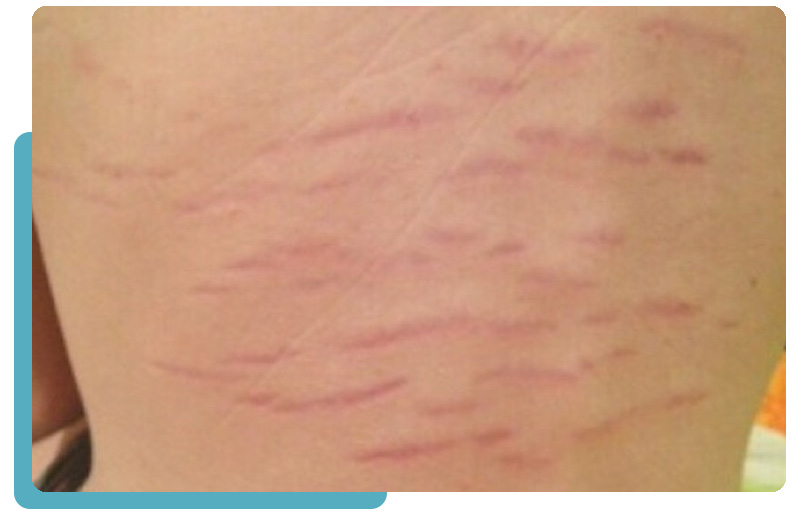
For mild cases, the infection may resolve on its own, though antibiotics are sometimes used to support recovery or reduce the risk of complications. More complex or long‐lasting Bartonella infections—including those that involve the nervous system—may require longer courses of antibiotics or a combination of medications.
Because Bartonella bacteria live inside red blood cells and the lining of blood vessels, the infection can be difficult to fully eliminate. This means persistence or relapse is possible. For this reason, treatment plans often include follow‐up testing, supportive care for symptoms, and, when relevant, management of other co‐infections.
Bartonella Treatment: FAQ
How long does Bartonella treatment take?
Treatment can vary from a few weeks for mild infections to several months or more for severe or chronic cases.
Can Bartonella come back after treatment?
Yes. Because the bacteria hide inside red blood cells, relapse is possible. Ongoing monitoring is often recommended.
Do all cases of Bartonella need antibiotics?
Not always. Some mild infections, like cat scratch disease, may improve without antibiotics.
What if symptoms continue after treatment?
Persistent symptoms may mean the infection has not fully cleared, or that another condition (such as a co-infection) may be present.
Note: The information presented on this page has been reviewed and approved by a member of our Medical Leadership Board.